

Sustainability · 2025
In this section50 topics
- Sustainability Policy3 items
- Sustainability Goals & UN SDGs3 items
- Policy Review3 items
- Business Value Chain1 item
- Stakeholder Analysis1 item
- Environmental Policy & Guidelines5 items
- Environmental Policy Review1 item
- Energy — Plan & Guidelines2 items
- Energy — Electricity Consumption1 item
- Energy — Fuel Consumption1 item
- Energy — Targets2 items
- Energy — Performance & Outcomes2 items
- Water — Plan & Guidelines2 items
- Water — Withdrawal, Discharge & Consumption1 item
- Water — Targets2 items
- Water — Performance & Outcomes2 items
- Waste — Plan & Guidelines2 items
- Waste — Generation, Disposal & Recycling1 item
- Waste — Targets2 items
- Waste — Performance & Outcomes2 items
- GHG — Plan & Guidelines4 items
- GHG — Emissions1 item
- GHG — Emissions Verification1 item
- GHG — Principles & Standards1 item
- GHG — Targets1 item
- GHG Targets — Net Zero1 item
- GHG — Performance & Outcomes2 items
- Environmental Legal Incidents1 item
- Social Policy & Guidelines6 items
- Social Policy Review3 items
- Social — Principles & Standards Practised1 item
- Human Rights Due Diligence3 items
- Employees — Plan & Guidelines3 items
- Employees — Workforce2 items
- Employees — Remuneration & Provident Fund1 item
- Employees — Training & Development1 item
- Employees — Occupational Health & Safety1 item
- Employees — Labour Relations2 items
- Employees — Employee Representation2 items
- Employees — Targets2 items
- Employees — Performance & Outcomes2 items
- Customers — Plan & Guidelines3 items
- Customers — Satisfaction Results1 item
- Customers — Targets2 items
- Customers — Performance & Outcomes2 items
- Community & Social — Plan & Guidelines3 items
- Community & Social — Targets1 item
- Community & Social — Performance & Outcomes2 items
- Other Social Management1 item
- Law Violation Incidents1 item
Sustainability Policy
Has a Sustainability Policy
Yes
Policy Description
Sustainability Policy and Goals
To achieve our sustainability goals, we are committed to the following principles:
1. Environmental Responsibility: We are committed to reducing our carbon footprint, conserving natural resources, and minimizing waste in all aspects of our operations. We will continuously seek out and implement innovative technologies and best practices to gear the business toward bio economy, circular economy, and green economy to reach our Net Zero goal in 2050.
2. Social Responsibility: We believe in treating all our stakeholders with fairness, respect, and dignity. We will strive to promote gender equality, diversity, and inclusiveness in our workplace, and we will work to support the communities in which we operate.
3. Economic Responsibility: We understand that sustainable business practices are not only the right thing to do, but they also make good business sense. We will strive to balance our economic and environmental goals, recognizing that the two are interdependent.
4. Transparency and Good Governance: We believe in transparency and accountability in all our operations, and we will work to ensure that our business practices are open, honest, and responsible.
Policy Document Link
https://www.tcm-corporation.com/upload/esgpolicy/fileen_250320092213.pdf
Sustainability Goals & UN SDGs
Has Sustainability Goals
Yes
Goals Description
Sustainability Management Goals
The Company defines its sustainability direction through an ESG Framework, integrated into our core strategies to create long-term value as follows:
1. Environmental (E): Transitioning to a Green Economy and Net Zero Goals
Business Strategy: Promote organizational innovation to enhance productivity and minimize environmental impact. This is coupled with efficient resource management to reduce costs and create value-added through eco-friendly products.
Short-term Goals (1-3 years):
Initiate the assessment and establishment of a Corporate Carbon Footprint (CFO) database.
Implement Circular Economy principles in manufacturing to reduce operational waste, increase products made from natural materials, and develop products containing over 50% recycled materials by weight.
Long-term Goal (By 2050): Achieve Net Zero Emissions through the transition to low-carbon technologies.
2. Social (S): Growing Together with Communities and People
Business Strategy: Build confidence and mitigate labor-related risks, while fostering strong relationships with surrounding communities to secure a Social License to Operate.
Short-term Goals (1-3 years):
Launch "Reskill & Upskill" programs for employees, targeting 100% awareness and understanding of sustainability.
Promote Diversity, Equity, and Inclusion (DEI) within the organization, with a specific target to increase the proportion of women in management positions.
Long-term Goal: Build a resilient social ecosystem through community career development projects around our operating sites to reduce inequality and generate sustainable income.
3. Economics & Governance (G): Prosperity on a Sustainable Foundation
Business Strategy: Build trust among shareholders and stakeholders through a robust Corporate Governance system. We balance profitability with environmental stewardship (Profit with Purpose) to meet the evolving demands of modern investors and business partners.
Short and Long-term Goals:
Consistently increase the revenue share from eco-friendly products and services.
Manage sustainability risks that could impact financial performance (Financial Materiality).
Foster strong partnerships with suppliers by promoting collaboration, providing education, and building a sustainable business ecosystem together.
Maintain a 100% transparent and effective Whistleblowing channel.
Consistently achieve an "Excellent" CG Score (5-star rating) from official corporate governance assessments.
UN Sustainable Development Goals
| SDG Goal |
|---|
| Goal 3 Good Health and Well-being |
| Goal 5 Gender Equality |
| Goal 6 Clean Water and Sanitation |
| Goal 7 Affordable and Clean Energy |
| Goal 8 Decent Work and Economic Growth |
| Goal 9 Industry, Innovation and Infrastructure |
| Goal 12 Responsible Consumption and Production |
| Goal 13 Climate Action |
Policy Review
Policy Reviewed This Year
Yes
Policy Changed This Year
No
Review Details
The company regularly reviews its policies and goals each year, aligning them with medium- and long-term strategies. Consequently, no changes are made to the policies. Instead, the action plan is intensified to achieve the established short-term goals.
Business Value Chain
Value Chain Description
Value Chain Management
Value chains management is a key strategy that will enable the business to thrive sustainably. The company recognizes the importance of all processes in the business chain to ensure that the products are of quality, improves the quality of life and the environment, conducts the business fairly, and is responsible for all stakeholders.
• Supply Chain: Focus on using resources efficiently to reduce costs and improve productivity.
• Value Chain: Focus on improving products and services value to meet customer demand.
Stakeholder Analysis
Stakeholder Analysis
| Stakeholder Type | Stakeholders | Stakeholder Expectations | Response to Expectations | Communication Activities |
|---|---|---|---|---|
| Internal stakeholders | 2913 · Description: Shareholders | • High returns
• Non-discrimination
• Accurate and timely information
• Corporate sustainability
| - Operate business with transparency and fairness
- Communicate with shareholders regularly to inform operating approach, strategy, and performance
| 2938 · Description: Visit · 2941 · Description: Online Communication · 2944 · Description: Annual General Meeting (AGM) · 2949 · Other name: Annual Report · Description: Others · 2949 · Other name: Company Website · Description: Others |
| Internal stakeholders | 2921 · Description: Employees | • Appropriate salary and welfare benefits
• Health, Safety and Well-being
• Non-discrimination
• Opportunities for career advancement
• People development and Skills training
| • Create an appropriate and fair pay and welfare system.
• Build relationship and loyalty
• Create a comfortable work environment.
• Determine career path of each position
• Perform efficient human resource management and encourage employees to develop their potential in various aspects.
| 2941 · Description: Online Communication · 2942 · Description: Internal Meeting · 2945 · Description: Complaint Reception · 2946 · Description: Employee Engagement Survey · 2947 · Description: Satisfaction Survey · 2948 · Description: Training / Seminar |
| External stakeholders | 2923 · Description: Customers | • Quality products and services in reasonable price
• Accessibility to products and services easily and conveniently.
• Clear communication of products information
• Friendly and professional services
• Receiving and resolving complaints
| • Create innovations in new products
• Certified for international standards for products and processes
• Develop distribution channels for products
• Integrate communication channels with customers thoroughly and comprehensively
• Manage complaints from customers promptly and effectively
| 2938 · Description: Visit · 2941 · Description: Online Communication · 2945 · Description: Complaint Reception · 2947 · Description: Satisfaction Survey · 2949 · Other name: Customer Relations / Call Center · Description: Others |
| External stakeholders | 2899 · Description: Suppliers | • Operate business with transparency and fairness
• Build long-term relationship with partners for mutual sustainable growth
| • Operate business under code of conducts
• Cooperate against corruption
• Cooperate in the development of raw materials and products
| 2938 · Description: Visit · 2941 · Description: Online Communication · 2943 · Description: External Meeting |
| External stakeholders | 2925 · Description: Financial institution | • Financial benefits in compliance with the agreement
• Reliable business alliance
| • Build trust in financial institutions by strictly complying with their conditions and agreements. | 2943 · Description: External Meeting · 2949 · Other name: Bank branches and their managers · Description: Others |
| External stakeholders | 2902 · Description: Community | • Employment and income generation
• Good environment and pollution prevention for communities
• Support for community activities
| • Employ from local people.
• Support activities of people in community
• Monitor and measure quality of environment surrounding the factory
• Providing opportunities for community to participate in company activities
| 2938 · Description: Visit · 2940 · Description: Social Event · 2943 · Description: External Meeting · 2949 · Other name: Community projects · Description: Others |
| External stakeholders | 2928 · Description: Society | • Helping and caring for society
• Transparent business operations
| • Continue CSR activities sustainably
• Comply with Good Corporate Governance principles.
| 2941 · Description: Online Communication · 2945 · Description: Complaint Reception |
| External stakeholders | 2929 · Description: Media | • Prompt and accurate information
• Favourable treatment from The company and employees
| • Build a strong relationship with the press and give true and accurate information. | 2941 · Description: Online Communication · 2949 · Other name: Contact the officer by phone · Description: Others |
| External stakeholders | 2931 · Description: Government agencies and Regulators | • The company complies with the law.
• Responsibility to social and environment
| • Strictly abide by the law and related business rules and regulations for transparent operation
• CSR cooperation
| 2940 · Description: Social Event · 2943 · Description: External Meeting · 2949 · Other name: Report/ Letter · Description: Others |
| External stakeholders | 2935 · Description: Independent entities | • Responsibility to social and environment
• Funding for NGO activities
|
• CSR cooperation
| 2941 · Description: Online Communication |
Environmental Policy & Guidelines
Has an Environmental Policy
Yes
Policy Description
The company is committed to continuous improvement in the efficient use of resources and energy throughout the supply chain. This includes reducing energy, water, and resource consumption, minimizing waste and emissions, and selecting environmentally friendly products. The company also promotes tree planting, pollution reduction, and the adoption of clean technologies. It continuously researches and implements innovative technologies and best practices to drive its business toward a Bio Economy, Circular Economy, and Green Economy in order to achieve Net Zero by 2050. Furthermore, the company supports, collaborates, and promotes awareness while enhancing the capacity of business partners, alliances, and stakeholders in conducting environmentally friendly business practices. This is aimed at conserving and utilizing natural resources efficiently and sustainably while ensuring compliance with laws, regulations, and business-related standards.
Policy Document Link
https://www.tcm-corporation.com/upload/esgpolicy/fileen_250320092306.pdf
Page Number in Report
1
Environmental Guidelines
| Guideline |
|---|
| Electricity Management |
| Fuel Management |
| Renewable/Clean Energy Management |
| Water Management |
| Waste Management |
| Greenhouse Gas and Climate Change Management |
| Air Quality Management |
| Noise Pollution Management |
Environmental Policy Review
Policy Reviewed This Year
Yes
Energy — Plan & Guidelines
Has an Energy Management Plan
Yes
Plan Description
Commitment and Goal
Because of the limitations of domestic energy sources and reliance on imported fossil fuel sources for use as the primary source of energy to produce electricity, energy costs fluctuate and tend to rise year after year. The company realizes and strives to control the use of electricity for maximum efficiency in order to use natural resources efficiently, minimize the impact on the environment as much as possible, and also able to reduce the company’s energy costs. The goal in 2025 was to reduce energy consumption by 3% compared to 2024 for the manufacturing segment and maintain the electricity consumption of the head office at the same level as last year, which the company defines as an indicator of the organization’s energy performance.
Management Approach
1. Operations Under International Standards, Laws, and Regulations
The company is committed to conducting its carpet manufacturing business with a primary focus on maximizing energy efficiency and minimizing environmental impact. Beyond full compliance with relevant laws and regulations, the Company has implemented and maintained the ISO 50001 Energy Management System standard continuously since 2014. This framework drives our energy conservation efforts and ensures the sustainable development of our production processes year after year. To translate our energy conservation policy into tangible results specifically in goal setting, planning, monitoring, and performance analysis. The company has appointed an Energy Conservation Working Group. The roles and responsibilities are as follows:
Plan and implement the company’s energy management policies and guidelines.
Promote employee engagement and compliance with energy policies through appropriate activities and training programs.
Provide support and recommendations to ensure energy management remains efficient and aligned with applicable legal requirements.
Report energy management performance to the management team on a regular basis.
Review and propose updated energy management guidelines to the management team at least once a year.
2. Enhancing Energy Efficiency and Continuous Improvement
The company continuously operates and conducts energy conservation activities through control, promotion, and support measures to achieve higher energy efficiency. Emphasis is placed on both investment and non-investment energy conservation projects, along with the study of energy-saving technologies and their application to benefit the company.
3. Cultivating Energy Conservation Awareness Among Employees
The company conducts regular training for employees every year. In 2024, a training course on "Energy Conservation Awareness for New Employees" was organized to promote and build knowledge and awareness of energy conservation among employees, fostering a positive organizational culture in energy conservation.
4. Enhancing Personnel Capabilities in Energy Conservation
The company prioritizes the development of employee potential and capabilities to ensure employees have good skills and knowledge in specialized tasks, can perform tasks proficiently and in a timely manner, and can apply this knowledge to the company's energy management system.
5. Preventive Operations
The company has developed a plan to maintain machinery and equipment, particularly high-energy consuming machines like those in utility operations. This plan focuses on preventive maintenance to ensure these machines are ready for use, retain their condition, prevent damage, and continually implement measures that control the efficiency and performance of significant machines by prioritizing the use of the most efficient models. This approach leads to effective management of machinery and equipment operations, improved operational safety, reduced energy losses, and minimized environmental impacts.
Energy — Electricity Consumption
Electricity Consumption
| Metric | Current Year | Previous Year | Two Years Ago |
|---|---|---|---|
| Total electricity consumption within the organization (Kilowatt-Hours) | 10,857,008.21 | 10,872,533 | 11,263,644.24 |
| Electricity purchased for consumption from non-renewable energy sources (Kilowatt-Hours) | 8,467,098 | 9,216,603 | 9,826,096 |
| Electricity purchased or generated for consumption from renewable energy sources (Kilowatt-Hours) | 2,389,910.21 | 1,655,930 | 1,437,548.24 |
Energy — Fuel Consumption
Fuel Consumption
| Metric | Current Year | Previous Year | Two Years Ago |
|---|---|---|---|
| Jet fuel (Litres) | |||
| Diesel (Litres) | 61,158.31 | 90,217.2 | 65,181.02 |
| Gasoline (Litres) | 43,497.64 | 55,320.2 | 33,568.33 |
| Fuel oil (Litres) | |||
| Crude oil (Barrels) | |||
| Natural gas (Standard cubic feet) | 212.47 | 951.77 | 592.14 |
| LPG (Kilograms) | 1,683,424 | 1,665,910 | 1,675,336 |
| Steam (Metric tonnes) | 23,566 | 23,404 | 23,041 |
| Coal (Metric tonnes) |
Energy — Targets
Has Set Targets
Yes
Targets
| Target | Base Year | Base Year Value | Target Year | Target Change (%) | Unit |
|---|---|---|---|---|---|
| Reduction of electricity purchased and fuel consumption | 2,024 | 121,515,515 | 2,025 | 3 | Mega Joules |
Energy — Performance & Outcomes
Has Performance Results
Yes
Performance Description
The company’s manufacturing operations rely on both electrical energy and fuel. Total energy consumption for the year was 121,152,028 Megajoules (MJ), representing a 0.30% decrease compared to the 2024 total of 121,515,515 MJ. This reduction was primarily driven by the company’s strategic investment in clean energy through Solar Rooftop installations. These initiatives have successfully stabilized our overall energy consumption despite operational demands, reflecting our firm commitment to the Race to Net Zero policy.
The company utilizes secondary energy at its headquarters, which is categorized as indirect energy sourced from the Metropolitan Electricity Authority (MEA). In 2025, the headquarters’ total electricity consumption was 257,359 kWh, a significant 7.69% decrease compared to 278,808 kWh in 2024. This reduction was achieved through the installation of power quality improvement equipment, which optimized electrical efficiency and reduced energy waste throughout the facility.
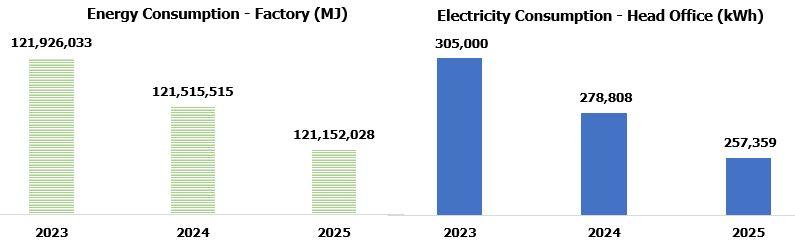
In 2025, the company implemented four key energy conservation projects aimed at enhancing operational efficiency and reducing overall energy consumption. These initiatives consist of the following:
1. Solar Rooftop Installation Project (Phase 3) Implemented to increase renewable energy capacity through the installation of a 993.6 kWp Solar Rooftop system. This project is scheduled to commence power generation and system integration in 2026.
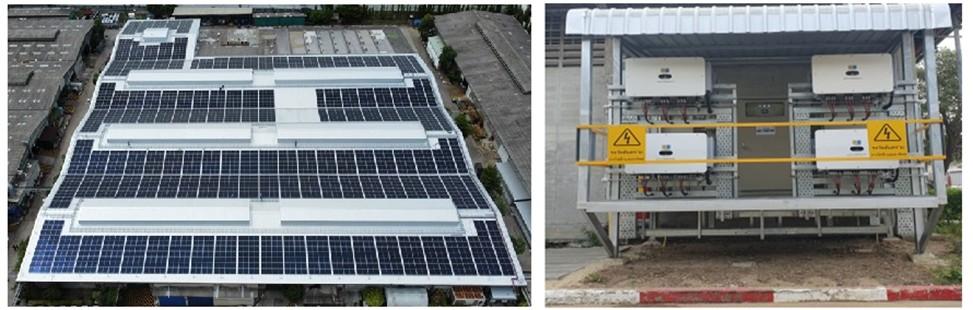
2. Power Quality Improvement Project (Phase 1) This project involves the installation of Power Quality Improvement (PQI) equipment to enhance electrical efficiency. The system functions by reducing redundant voltage and balancing electrical loads across phases. Implementation commenced in Q3/2025, resulting in an energy efficiency gain of 123,407 kWh.
3. Steam Trap Optimization Project at Yarn Dyeing Plant (Phase 2) This initiative aims to enhance the efficiency of steam and thermal energy consumption from LPG fuel in the steam-heated dyeing machines. By repairing and upgrading the "Steam Traps" to prevent steam leakage, the Company has maximized steam utilization and minimized heat loss. This optimization resulted in a thermal energy reduction of 374,347 MJ per year from the steam generators.
4. High-Efficiency Dyeing Machine Project (Phase 4) This project aims to optimize steam and thermal energy consumption by deploying high-efficiency steam-heated dyeing machines. By maximizing the efficiency of steam utilization within the production process, the Company has successfully reduced LPG fuel consumption in the steam generation system by 96,953 MJ per year.
Summary of Energy Management
Energy data | Unit | 2023 | 2024 | 2025 |
Energy consumed throughout the organization | Megajoules (MJ) | 121,926,033 | 121,515,515 | 121,152,028 |
Energy Efficiency index | Megajoules – m2 | 17.20 | 16.57 | 16.97 |
Electricity reduction from the project | kilowatt-hours | 389,232 | 738,434 | 123,407 |
Reduced heat energy from the project | Megajoules (MJ) | 3,932,739 | 475,960 | 471,300 |
Water — Plan & Guidelines
Has a Water Management Plan
Yes
Plan Description
1.Water management
Commitment and Goal
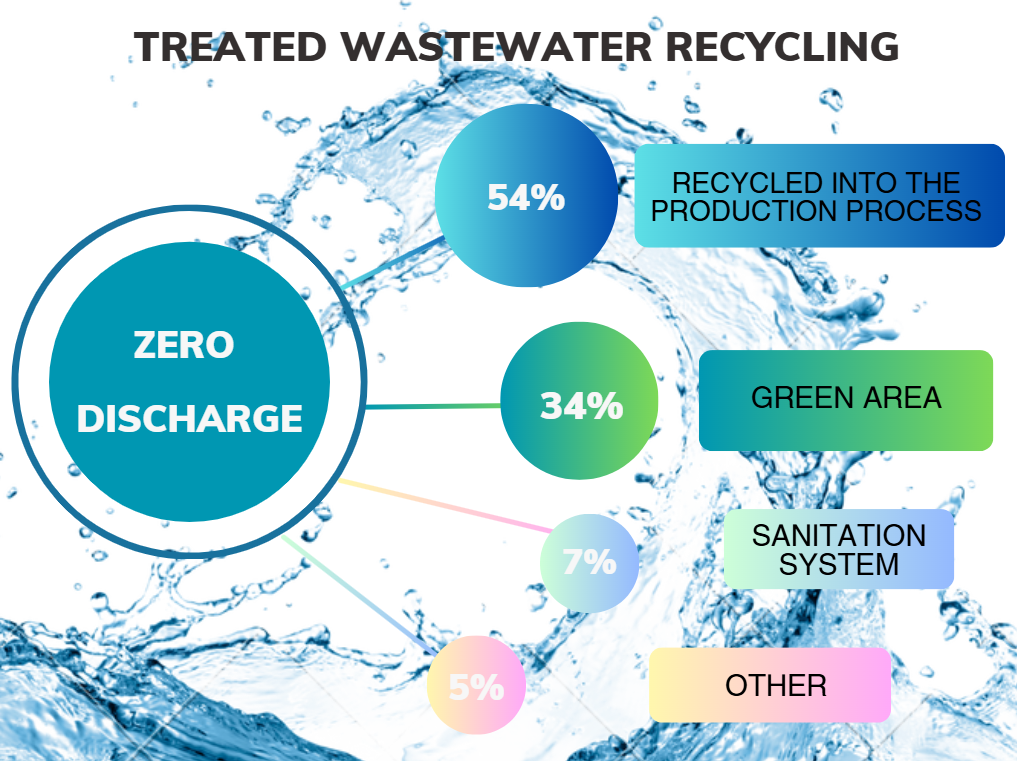
Water is a vital resource, essential for the survival of humans and all living organisms. Recognizing this importance, the Company has established a sustainable water management policy to maximize water use efficiency. Simultaneously, we implement measures to control and prevent potential impacts on water resources by recycling treated wastewater for reuse, reducing the consumption of natural water resources, and ensuring no wastewater from company activities is discharged into natural water bodies (Zero Discharge). For 2025, the Company has set a goal to reduce the water consumption rate per unit of product by 5% compared to 2024.
Management Approach
The company implements an efficient and systematic water management framework across the entire organization. We prioritize cultivating awareness among employees at all levels to ensure optimal water utilization for both domestic consumption and production processes. Given that dyeing accounts for 80% of our total water consumption, we are committed to adopting innovative dyeing technologies that significantly reduce water, chemical, and energy usage. Furthermore, all wastewater is collected and treated through advanced reclamation systems to be reused within our manufacturing and other activities. This zero-discharge approach minimizes reliance on natural water sources and ensures a concrete, closed-loop environmental management system.
Water — Withdrawal, Discharge & Consumption
Water Withdrawal, Discharge & Consumption
| Metric | Current Year | Previous Year | Two Years Ago | Remark |
|---|---|---|---|---|
| Total water withdrawal (Cubic meters) | 246,371.77 | 246,438.77 | 242,216.09 | |
| Total water withdrawal by third-party water (Cubic meters) | 9,793.77 | 6,639.77 | 16,965.09 | |
| Total water withdrawal by surface water (Cubic meters) | 0 | 0 | 0 | |
| Total water withdrawal by groundwater (Cubic meters) | 171,235 | 163,448 | 142,236 | |
| Total water withdrawal by seawater (Cubic meters) | 0 | 0 | 0 | |
| Total water withdrawal by produced water (Cubic meters) | 65,343 | 76,351 | 83,015 | Data derived from the dyeing process (RO + Municipal Water + Groundwater) may lead to double counting within the total water consumption formula. |
| Percentage of wastewater treated before discharge (%) | 100 | 100 | 100 | |
| Total water discharge (Cubic meters) | 0 | 0 | 0 | |
| Total water discharge to third-party water (Cubic meters) | 0 | 0 | 0 | |
| Total water discharge to surface water (Cubic meters) | 0 | 0 | 0 | |
| Total water discharge to groundwater (Cubic meters) | 0 | 0 | 0 | |
| Total water discharge to seawater (Cubic meters) | 0 | 0 | 0 | |
| Total water consumption (Cubic meters) | 246,371.77 | 246,438.77 | 242,216.09 | |
| Recycled water (Cubic meters) | 186,235 | 170,714 | 169,810 |
Water — Targets
Has Set Targets
Yes
Targets
| Target | Base Year | Base Year Value | Target Year | Target Change (%) | Unit | Per Unit (Intensity) | Per Unit — Please Specify |
|---|---|---|---|---|---|---|---|
| Reduction of water withdrawal | 2,024 | 132.6 | 2,025 | 5 | Liter | Other | Kilogram |
Water — Performance & Outcomes
Has Performance Results
Yes
Performance Description
In 2025, the Company expanded its investment in water-efficient dyeing technology, increasing the proportion of such machinery from 30% in 2024 to 40%. Furthermore, the continuous implementation of the Lean Productivity program has enhanced production efficiency and reduced waste, contributing to a 3.5% reduction in water intensity per unit of product compared to the previous year.
In addition, our water reclamation initiatives including the recovery of concentrate or reject water from the drinking water RO (Reverse Osmosis) system and increasing the RO filtration rate within the wastewater treatment plant aim to maximize the reuse of treated water in production. These efforts successfully reduced the withdrawal of water from natural sources by 65,343 cubic meters.
The company maintains a 100% recycled water rate from its treatment systems, with the following distribution: 54% is upgraded through RO systems for reuse in production and boilers; 34% is utilized for landscaping and green areas; 7% for sanitation systems; and the remaining 5% accounts for other factors such as natural evaporation.
Waste — Plan & Guidelines
Has a Waste Management Plan
Yes
Plan Description
Commitment and Goal
Waste and pollution management challenges have intensified due to economic expansion, rapid technological shifts, and heightened industrial competition. These factors have led to a surge in waste volume that is increasingly difficult to manage. Without proper management systems, such waste poses significant risks to the environment, affecting soil, water sources, and air quality as well as public health. Recognizing the gravity of these issues, the Company has established clear waste and pollution management targets, specifically focusing on Zero Landfill and increasing the proportion of reused and recycled industrial waste. By promoting circular resource utilization and minimizing the volume of waste requiring final disposal, the Company strives for sustainable development that allows the industrial sector and local communities to coexist harmoniously. To drive this commitment, in 2025, the Company has set a target to reduce the production waste rate by 5% compared to 2024
Management Approach
The company has established a waste management plan and guidelines for waste within the factory based on the 5Rs principle (Refuse, Reduce, Reuse, Recycle, and Repurpose). This involves managing waste and pollution with a focus on minimizing waste generation (Waste minimization) and reducing resource use as the primary steps. The emphasis is on efficient use of raw materials or production resources. Once waste is generated, efforts are made to find ways to reuse or recycle it as much as possible, considering the potential benefits of each waste type and relevant laws, to minimize the amount of waste that needs to be treated or disposed of. Waste disposal is considered the last resort in waste management.
Waste — Generation, Disposal & Recycling
Waste Generation, Disposal & Recycling
| Metric | Current Year | Previous Year | Two Years Ago | Remark |
|---|---|---|---|---|
| Total waste generated (Kilograms) | 1,852,205.06 | 1,689,471.53 | 2,122,935 | |
| Non-hazardous waste (Kilograms) | 1,735,025.73 | 1,567,161.23 | 1,830,305 | |
| Non-hazardous waste - Landfilling (Kilograms) | 133,010.23 | 136,018.43 | ||
| Non-hazardous waste - Incineration (with energy recovery) (Kilograms) | 695,970 | 691,790 | ||
| Non-hazardous waste - Incineration (without energy recovery) (Kilograms) | ||||
| Non-hazardous waste - Other disposal operations (Kilograms) | 906,045.5 | 739,352.8 | Waste managed via Recycling, Reuse, and Composting | |
| Hazardous waste (Kilograms) | 117,179.33 | 122,310.3 | 292,630 | |
| Hazardous waste - Landfilling (Kilograms) | ||||
| Hazardous waste - Incineration (with energy recovery) (Kilograms) | ||||
| Hazardous waste - Incineration (without energy recovery) (Kilograms) | 117,179.33 | 122,310.3 | ||
| Hazardous waste - Other disposal operations (Kilograms) | ||||
| Total reused/recycled waste (Kilograms) | 497,155.5 | 465,812.8 | 1,710,530 | |
| Reused/Recycled non-hazardous waste (Kilograms) | 496,775.5 | 465,807.8 | 1,710,230 | |
| Reused non-hazardous waste (Kilograms) | 82,504 | 75,668 | ||
| Recycled non-hazardous waste (Kilograms) | 414,271.5 | 390,139.8 | ||
| Reused/Recycled hazardous waste (Kilograms) | 380 | 5 | 300 | |
| Reused hazardous waste (Kilograms) | 380 | 5 | 300 | |
| Recycled hazardous waste (Kilograms) |
Waste — Targets
Has Set Targets
Yes
Targets
| Waste Type | Disposal Approach | Target | Base Year | Base Year Value | Target Year | Target Change (%) | Unit | Per Unit (Intensity) | Per Unit — Please Specify |
|---|---|---|---|---|---|---|---|---|---|
| Non-hazardous waste and hazardous waste | 2758 · Description: Reuse · 2759 · Description: Recycle · 2761 · Description: Incineration with energy recovery · 2762 · Description: Incineration without energy recovery · 2763 · Other name: Conversion into organic fertilizer and soil amendment agents · Description: Other | Reduce waste volume | 2,024 | 0.15 | 2,025 | 5 | Kilograms | m2 | m2 |
Waste — Performance & Outcomes
Has Performance Results
Yes
Performance Description
The company has implemented a comprehensive management framework covering the entire lifecycle from resource utilization to waste disposal to ensure maximum efficiency. Through the continuous development and improvement of both production and support processes under the Lean Company initiative, we aim to eliminate process waste, thereby reducing resource consumption and waste generation. Our performance in 2025 is summarized as follows:
The reuse of materials and packaging, including paper tubes, bale bags, pallets, and yarn, is a key practice in our operations to maximize resource efficiency and reduce the need for new raw materials.
Material | Quantity (Piece) | Value (THB) |
Paper Tubes | 19,024 | 339,423 |
Bales | 6,082 | 499,016 |
Pallets | 231 | 96,285 |
Yarn | 19,024 | 339,423 |
The company successfully recycled a total of 54.04 tons of yarn. This consists of 5.4 tons recycled internally within our production processes and 48.64 tons supplied to external partners for the manufacturing of new value-added products
We prioritize high-potential waste utilization over disposal. In 2025, the company diverted 333 tons of waste for use as alternative fuel and 362 tons as alternative raw materials in cement kilns. Additionally, 408 tons of biological sludge from our wastewater treatment plant were transformed into organic compost, resulting in only 0.3% of total waste requiring incineration.
Through holistic waste management from source reduction to recycling and reuse—the Company successfully reduced its production waste rate by 7.8% compared to 2024. Furthermore, we have consistently achieved our Zero Landfill policy since 2010
To ensure regulatory compliance, the company conducts environmental quality assessments at least three times per year. In 2025, all monitored parameters, including air quality, odor, and noise levels within the office and surrounding industrial areas, remained within the standard limits required by law.
The use of waste as a renewable fuel (Refuse Derived Fuel (RDF)) in the production of electricity
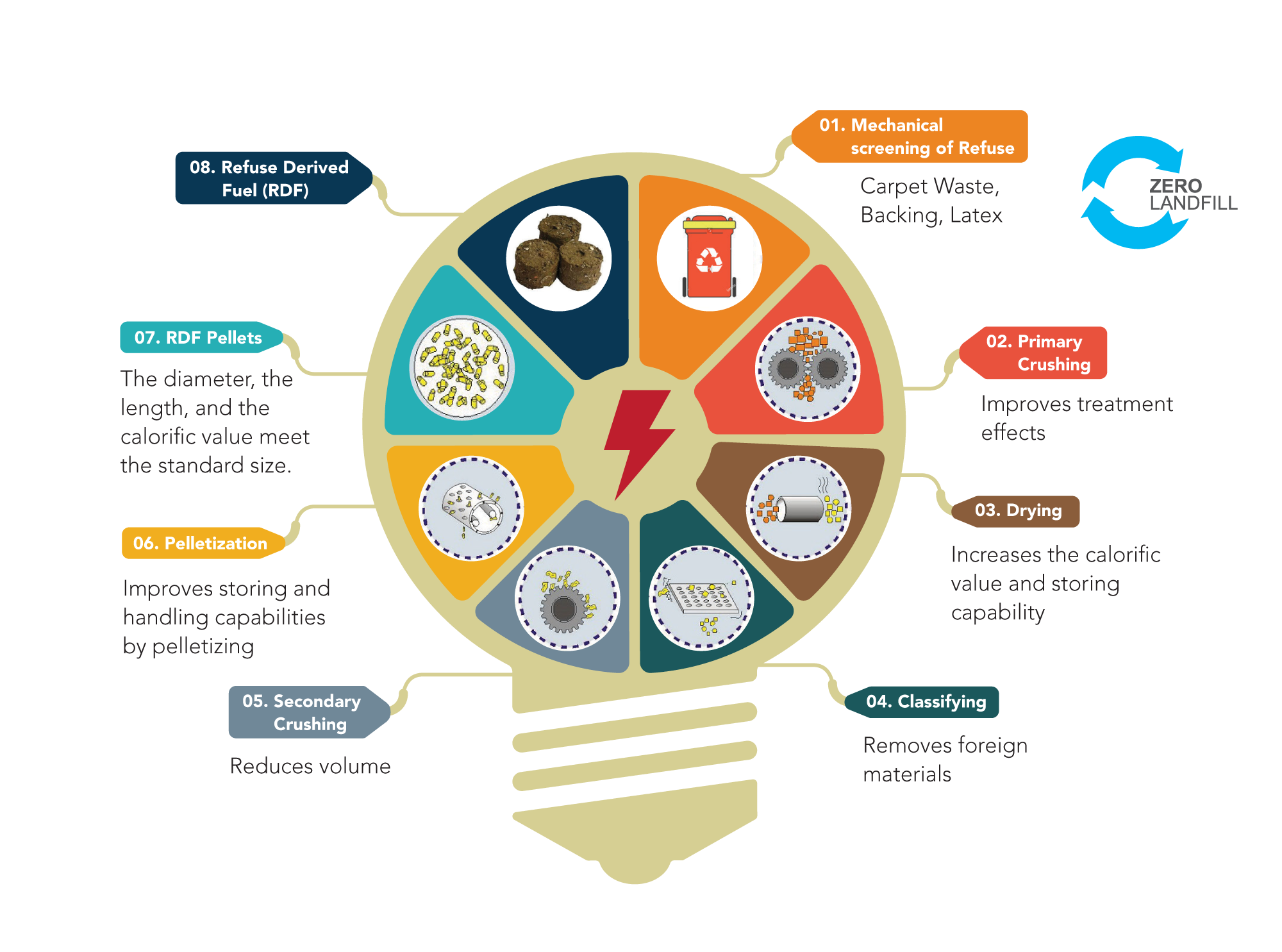
Year | The use of waste as a renewable fuel (Refuse Derived Fuel (RDF)) in the production of electricity (Tons per year) |
2023 | 300 |
2024 | 330 |
2025 | 333 |
The use of waste as a raw material in cement kilns as a co-material in the production of Cement Kiln
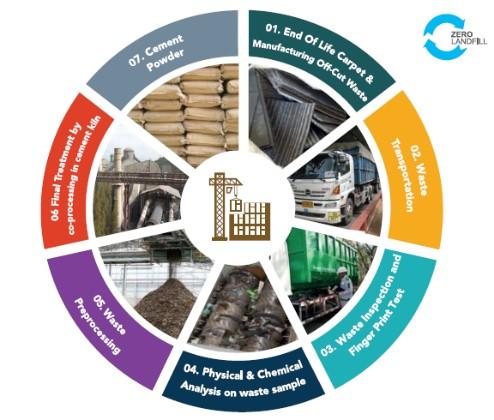
Year | The use of waste as a raw material in cement kilns as a co-material in the production of cement kiln (Tons per year) |
2023 | 411 |
2024 | 361 |
2025 | 362 |
The use of bio-sludge from a wastewater treatment system as a component of biological compost
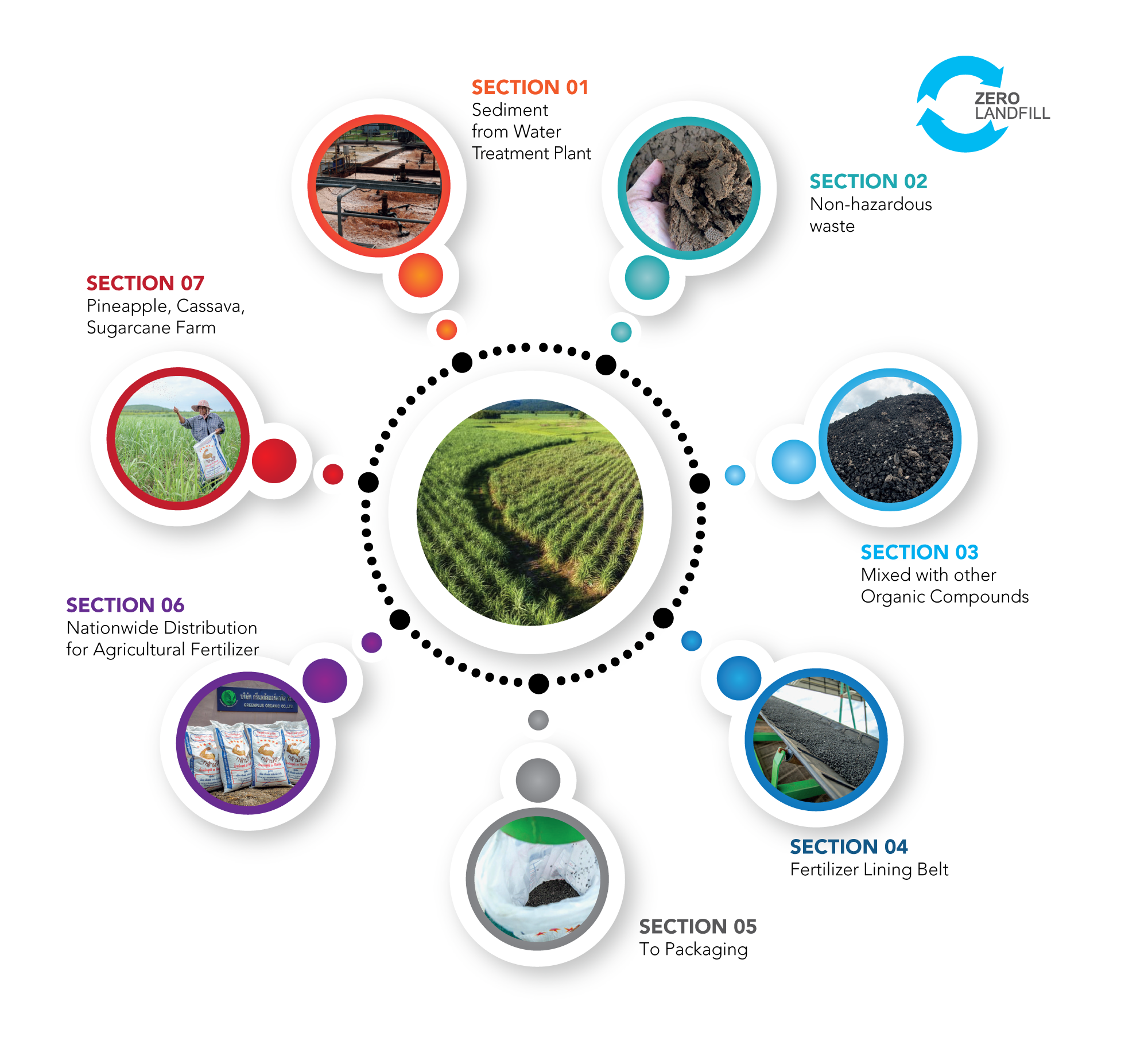
Year | The use of bio-sludge from a wastewater treatment system as a component of biological compost (Tons per year) |
2023 | 409 |
2024 | 274 |
2025 | 408 |
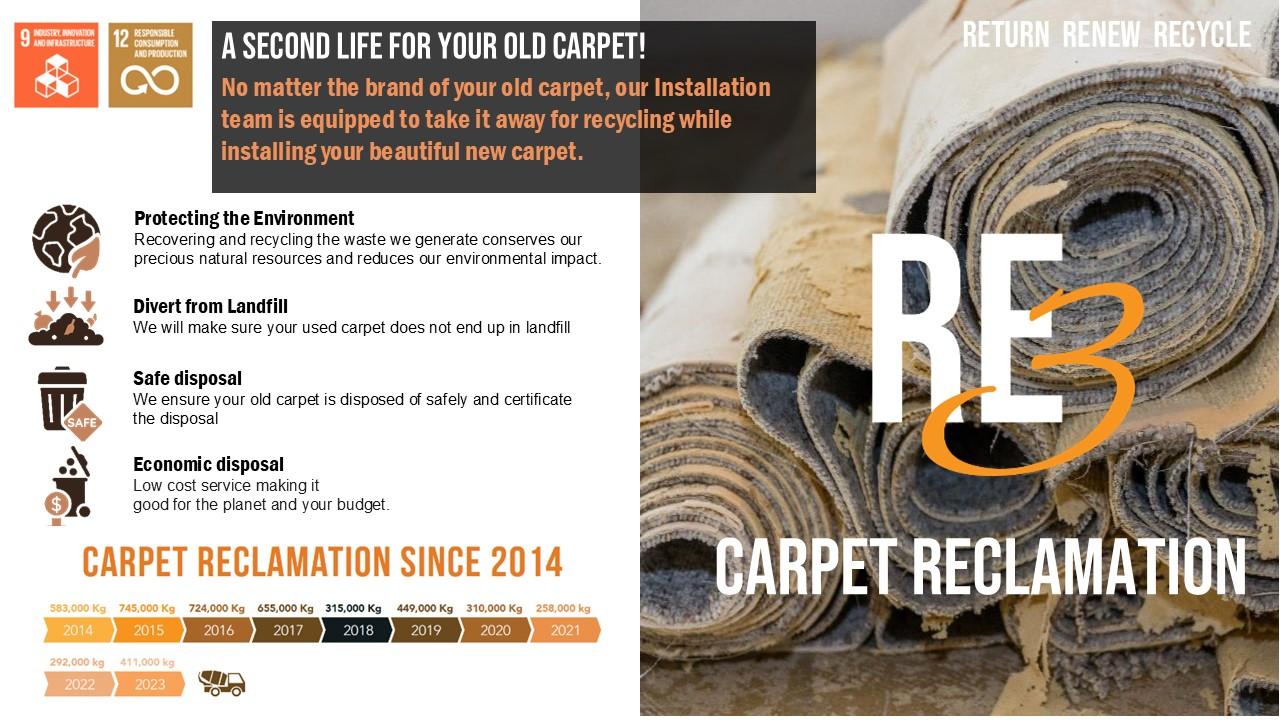
Beyond waste and byproduct management based on the 5Rs principle, the Company has expanded its waste management scope to include the responsible handling of end-of-life carpets removed from customer premises. Regardless of the original manufacturer, these carpets are utilized as co-material for cement kilns, ensuring proper disposal and resource recovery. This initiative empowers our customers to participate in greenhouse gas reduction while minimizing the overall environmental footprint of our products. In 2025, 362 tons of carpets were recovered and processed, representing a 0.3% increase from the previous year.
GHG — Plan & Guidelines
Has a GHG Management Plan
Yes
Plan Description
Commitment and Goal
Global warming and climate change are becoming more serious, resulting in global cooperation in reducing greenhouse gas emissions and the use of innovations to absorb greenhouse gas emissions, as well as stakeholder expectations for management on the topic of climate change. There are also risk factors related to the legislation on climate change in Thailand and competition in the low-carbon product market. The company is firmly committed to the reduction of greenhouse gas emissions. This commitment aligns with the critical goal of limiting the global average temperature increase to no more than 1.5 degrees Celsius above pre-industrial levels. The strategy goal is to reduce greenhouse gas emissions from the base year 2021 by no less than 2 percent per year until 2030 and reach Net Zero in 2050.
Management Approach
The Company has established operational guidelines to reduce greenhouse gas emissions, covering both short-term and long-term periods. A Climate Change Management Committee has been appointed with clearly defined roles and responsibilities, operating under the supervision of the Sustainability and Risk Management Committee.
The roles of the Committee are as follows:
Study, develop plans, and set targets for greenhouse gas reduction in alignment with global cooperation and efforts to limit the increase in the Earth's average temperature.
Supervise working groups in establishing measures for continuous energy efficiency improvements, increasing the share of clean energy sources to replace fossil fuels, and upgrading processes r equipment to achieve higher energy efficiency.
Implement sustainability policies and drive the organization toward the Net Zero emissions goal.
Ensure that employees and stakeholders are fully informed and communicated with regarding policies and organizational targets.
Define guidelines for product design, research, and development that contribute to greenhouse gas reduction throughout the entire Product Life Cycle.
Develop products, services, and solutions that reduce greenhouse gas emissions across the Value Chain.
Organize activities to raise awareness of energy conservation and climate change resilience among employees, while fostering an environmentally conscious corporate culture.
The Company has established a plan to reduce greenhouse gas emissions from its operational activities in alignment with the goals of the Paris Agreement. The targets are set according to the Science Based Targets initiative (SBTi) standards, based on climate science, to reduce greenhouse gas emissions by 42% by 2030 and achieve net-zero by 2050. The baseline year is set as 2021. The greenhouse gas management plan can be summarized as follows:
Reduce reliance on fossil fuel energy by transitioning to clean energy, including the installation of solar rooftop systems, switching to electrical machinery, and replacing vehicles used in the organization's business operations, such as electric forklifts and electric delivery vehicles.
Replace air conditioners using refrigerants with high Global Warming Potential (GWP) with those using refrigerants with low GWP.
Increase research and development of new eco-friendly products, including reducing the use of raw materials in products and developing products with a higher proportion of recycled materials.
Raise awareness among suppliers throughout the supply chain to jointly reduce greenhouse gas emissions from the upstream level through improved production process efficiency.
Acquire goods and raw materials that have a low carbon footprint.
Utilize clean energy transportation systems to reduce greenhouse gas emissions from goods transportation and travel.
Plan Document Link
https://www.tcm-corporation.com/upload/esgpolicy/fileth_250321093127.pdf
Page Number in Report
1
GHG — Emissions
GHG Emissions
| Metric | Current Year | Previous Year | Two Years Ago |
|---|---|---|---|
| Total GHG emissions (Metric tonnes of carbon dioxide equivalent) | 58,138.53 | 104,902.09 | 102,850.88 |
| Total greenhouse gas emissions 1 (Metric tonnes of carbon dioxide equivalent) | 5,601.61 | 5,806.36 | 5,591.24 |
| Total greenhouse gas emissions 2 (Metric tonnes of carbon dioxide equivalent) | 4,014.86 | 4,262.24 | 4,597.39 |
| Total greenhouse gas emissions 3 (Metric tonnes of carbon dioxide equivalent) | 48,522.06 | 94,833.49 | 92,662.25 |
GHG — Emissions Verification
Emissions Verified by a Third Party
No
GHG — Principles & Standards
Principles & Standards Applied
| Standard | Other — Please Specify |
|---|---|
| 2672 | |
| 2676 | |
| 2734 | Science Based Targets initiative (SBTi) |
GHG — Targets
Has Set GHG Targets
Yes
GHG Targets — Net Zero
Net Zero Targets
| Emission Scope | Base Year | Base Year Emissions | Near-term Target Year | Near-term Target Value | Near-term Target Change (%) | Long-term Target Year | Long-term Target Value | Long-term Target Change (%) | Target Year | Target Year Emissions | Target Change (%) | Unit | Per Unit (Intensity) | Per Unit — Please Specify |
|---|---|---|---|---|---|---|---|---|---|---|---|---|---|---|
| 2716 | 2,021 | 0.02 | 2,030 | 0.01 | 42 | 2,050 | 0.01 | 90 | 2,030 | 0.01 | 42 | Metric tonnes of carbon dioxide equivalent | m2 | m2 |
GHG — Performance & Outcomes
Has Performance Results
Yes
Performance Description
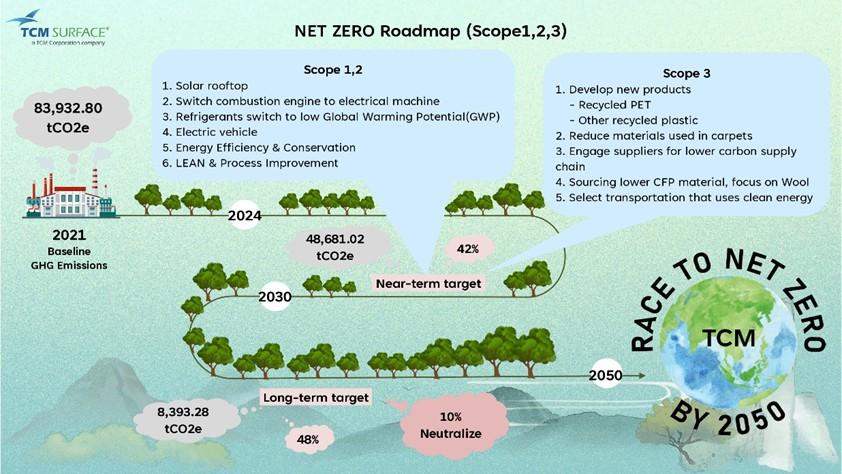
The Company conducts a thorough assessment and inventory of both direct and indirect greenhouse gas emissions (Scope 1-3) across all activities within its value chain. In 2025, TCM Surface reported a Corporate Carbon Footprint of 58,138.53 tCO2e, with an emission intensity of 0.01 tCO2e per square meter. Compared to the 2021 base year, this represents a reduction of over 30%. This achievement is a direct result of energy efficiency measures and sustainable resource management, reflecting our commitment to concretely driving a sustainable business ecosystem.
The Company has established a roadmap to reduce greenhouse gas emissions from its operations in alignment with the Paris Agreement. Based on Climate Science, our targets include a 42% reduction by 2030 and achieving net-zero emissions by 2050, as illustrated in the diagram below:
The Company established a Key Performance Indicator (KPI) to reduce greenhouse gas emissions by 2%, encouraging all departments to collaborate on efficiency enhancement and operational process improvement projects. This initiative supports the corporate Net Zero goal and elevates long-term sustainability performance. Additionally, it helps reduce energy and resource costs while fostering an environmentally conscious workplace culture. As a result of these collective efforts, the average greenhouse gas reduction achieved across all projects was 4.64%.
The Company has continuously expanded its clean energy share through Solar Rooftop systems. In 2025, the system reduced greenhouse gas emissions by 1,132.78 tCO2e. Considering the cumulative performance since the project’s inception (2022–2025), the Company has achieved a total cumulative reduction of 3,002.61 tCO2e, effectively decreasing reliance on the main electrical grid.
The Company actively promotes awareness regarding Global Warming, Climate Change, and current stakeholder expectations among its suppliers and partners throughout the value chain. This initiative aims to collectively elevate environmental operational standards through concrete collaboration.
In partnership with wool fiber suppliers, the Company has worked to reduce upstream greenhouse gas emissions by improving production efficiency. Key actions include optimizing energy use, transitioning from fossil-based coal to clean energy, and minimizing production waste. These efforts led to a 10.46% reduction in emissions from the Wool Scouring process (the process of removing impurities such as lanolin, soil, and dust before spinning into yarn) compared to the global average emission benchmarks for wool cleaning.
The Company is committed to increasing the proportion of recyclable and renewable materials in its production and eco-friendly product development. In 2025, these sustainable materials accounted for 56% of the total material weight used.
Implement the following initiatives to disseminate knowledge and promote awareness among employees about global warming and climate change:
Communicate through Foreman meetings and employee shift talks held in the morning before work commences.
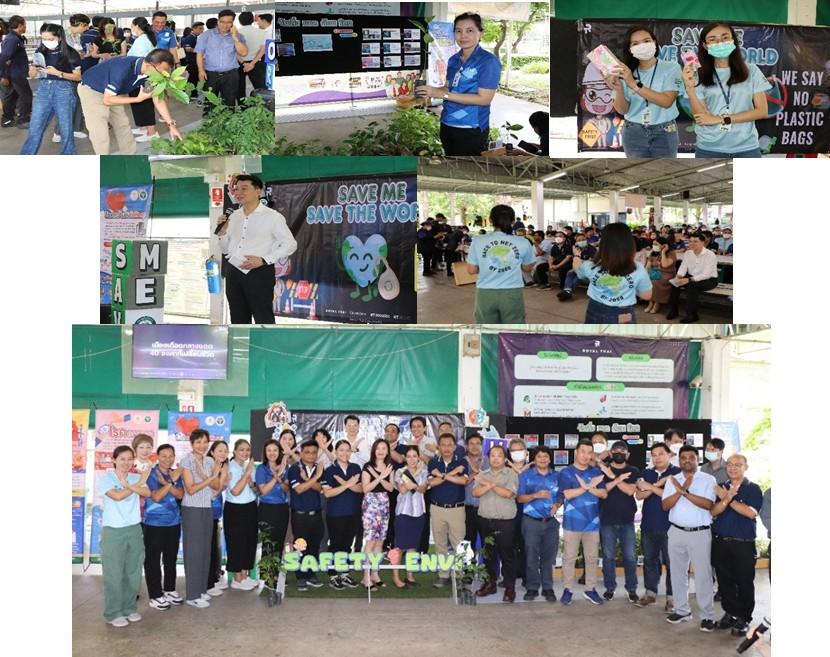
Promoting awareness through "World Environment Day" activities, with a primary focus on driving the "No Plastic Bag" policy across the entire organization. This initiative represents a top-down strategic push, translated into action through the collaborative efforts of employees and onsite vendor partners to reduce and eliminate the use of single-use plastics. In addition, the Company organized a tree sapling giveaway for employees to encourage the expansion of green spaces and empower personnel to participate in greenhouse gas reduction. These efforts aim to minimize accumulated waste and foster sustainable consumption habits alongside genuine natural conservation.
Maximizing resource management through the Circular Economy concept led to the initiative of the "Sharing Station (Cloth Bag Donation & Sharing Hub)" project. This innovative project serves as a key mechanism supporting the internal "No Plastic Bag" policy. The station itself was designed and constructed by upcycling residual waste materials from the Acoustic business unit, transforming them into a high-value, functional donation hub.The Sharing Station acts as a central point where employees can donate cloth bags to be shared with colleagues who may have forgotten their own. These bags can be borrowed for carrying goods or food from the canteen back home. This initiative not only facilitates the transition away from single-use plastics by providing convenience but also concretely fosters a culture of sharing and circular resource utilization within the organization.

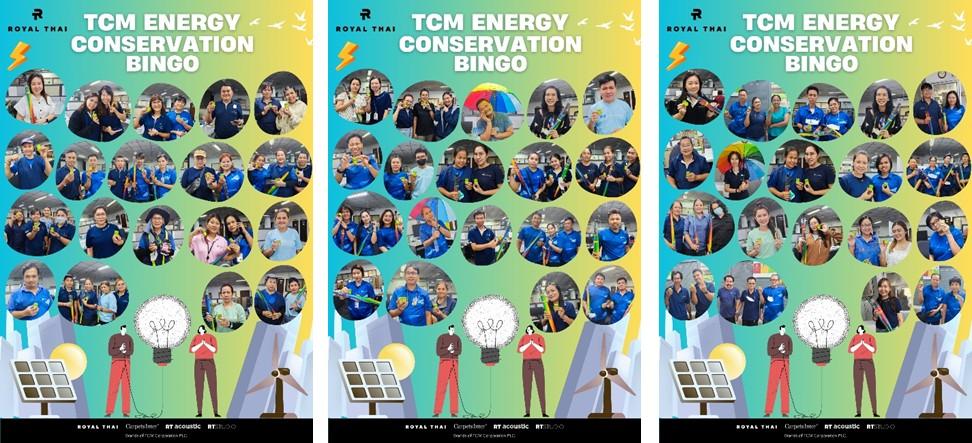
Integrating energy conservation concepts into creative activities through the “TCM Energy Conservation Bingo” project. This initiative transforms internal energy-saving measures into accessible and engaging missions. By presenting various energy conservation tasks in a Bingo board format, employees are encouraged to consistently complete daily challenges assigned by the system. This approach not only helps employees memorize and effectively follow energy-saving guidelines but also fosters mindful energy consumption habits, embedding them into the long-term corporate culture.
Furthermore, the Company focuses on raising awareness and promoting engagement among personnel across the entire organization. This participation is a key factor in effective greenhouse gas management, driving the Company toward its goal of becoming a sustainable, low-carbon organization.
Environmental Legal Incidents
Legal Violation Incidents
| Metric | Current Year | Previous Year | Two Years Ago |
|---|---|---|---|
| Number of cases or incidents of legal violations or negative environmental impact (cases) | 0 | 0 | 0 |
Social Policy Review
Policy Reviewed This Year
Yes
Review Details
2025 Human Rights Performance Highlights
Over the past year, the Company has intensified its human rights management through comprehensive initiatives covering internal personnel, the supply chain, and local communities. Key achievements include:
1. Policy Reinforcement & Awareness Building
Policy Revision: Reviewed and enacted an updated Human Rights Policy that prohibits all forms of discrimination and harassment. The policy protects physical and mental integrity, race, religion, identity, and sexual orientation, while strictly supporting freedom of association, collective bargaining rights, and equal employment opportunities.
Communication & Training: Communicated policies via email and online channels to the Board of Directors, executives, employees, and all stakeholder groups.
100% of new hires completed human rights orientation and sensitivity training.
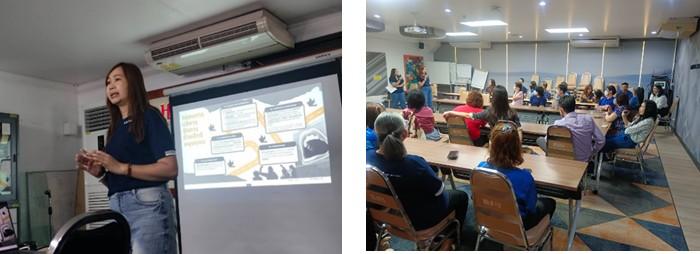
Conducted "Morning Talk" sessions to cascade human rights principles and the Human Rights Due Diligence (HRDD) process to frontline employees.
Educated staff on PDPA (Personal Data Protection Act) regarding their rights as data subjects and roles as data controllers.
2. Comprehensive Human Rights Due Diligence (HRDD)
The Company has established a rigorous framework to identify, prevent, and mitigate risks across the value chain:
Risk Mitigation & Remediation: Defined clear scopes for identifying risk issues and established robust mitigation and remediation plans.
Supply Chain Integration: Integrated human rights criteria into the Procurement Policy and Manual, enforcing strict screening of suppliers and contractors to ensure fair labor practices.
International Benchmarking: Participated in the "Human Rights & Business Ethics Implementation Bootcamp 2025" organized by the Stock Exchange of Thailand (SET) to adopt global best practices.
3. Engagement & Grievance Mechanisms
Welfare Committee: Held quarterly meetings to actively listen to employee voices, serving as a platform for staff needs, which led to tangible improvements in employee benefits.
Anonymous Reporting Channels: Enhanced whistleblowing safety by offering anonymous feedback options to ensure complainant comfort:
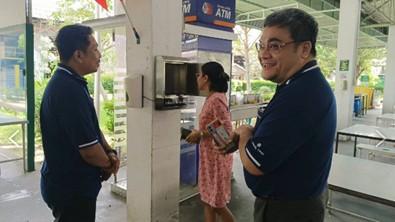
On-site Suggestion Boxes: Placed in private areas (audited monthly by management and the Welfare Committee Chairperson).
Digital Channels: Accessible via the "LINE SMILE" corporate system and dedicated email.
4. Social Responsibility & Youth Empowerment
"3 S for Youth" Project: Extended human rights awareness to the community by organizing educational activities at Bang Khu Wat School, establishing a foundation of understanding regarding fundamental rights for local youth.
In 2025, the Company received zero (0) complaints regarding human rights violations arising from our direct operations, business activities, or throughout the entire supply chain.
The Company has formally enacted and published its Human Rights Management Manual. For further details, please visit: https://www.tcm-corporation.com/upload/esgpolicy/fileen_260305091405.pdf
Goal | Performance Result in 2025 |
Number of human rights complaints | 0 case |
Percentage of New Hires Completing Human Rights Orientation | 100% |
Policies & Guidelines Changed
| Change |
|---|
| Employee Rights |
| Safety and Occupational Health at Work |
| Non-discrimination |
Human Rights Due Diligence
Conducts Human Rights Due Diligence
Yes
Due Diligence Description
HRDD Operational Framework
Step | Action and Implementation |
Declaration of Intent
|
|
Risk and Impact Assessment
|
|
Integration and Remediation
|
|
Monitoring and Auditing
|
|
Performance Reporting
|
|




Due Diligence Document Link
https://www.tcm-corporation.com/upload/esgpolicy/fileen_260305091405.pdf
Employees — Plan & Guidelines
Has an Employee Management Plan
Yes
Plan Description
Sustainable Human Capital Management
The Company believes that true success is not measured by profit alone, but must go hand-in-hand with the "Quality of Life in Society." We are committed to manufacturing high-quality products rooted in business responsibility throughout the supply chain, guided by ethics, transparency, and Good Governance to balance economic growth with sustainable social responsibility.
Over the past year, the Company implemented a concrete employee and labor management plan to enhance quality of life and workplace standards, summarized as follows:
Fair Compensation: We focus on providing equitable pay by establishing salary and welfare structures aligned with skills, performance, and industry standards.
Training and Development: We promote continuous career advancement through Upskill & Reskill programs designed to enhance employee capabilities.
Engagement and Culture: The Company fosters strong relationships and employee participation through open feedback channels and relationship-building activities to create a positive working environment.
Health and Safety: Prioritizing Occupational Health and Safety, we consistently upgrade workplace environments to meet international safety standards and conduct regular safety training sessions.
Human Rights and Labor Standards: We strictly adhere to human rights principles, maintaining a zero-tolerance policy against illegal, child, and forced labor in all business processes to ensure our growth remains socially responsible.
Plan Areas
| Plan Area |
|---|
| Fair employee compensation |
| Employee training and development |
| Promoting employee relations and participation |
| Occupational health and safety in workplace |
Employees — Workforce
Employees with Disabilities — Introduction
The company recognizes the importance of enhancing the quality of life for persons with disabilities by adhering to the principles of equal opportunity and non-discrimination, extending to persons with disabilities and other underprivileged groups. We aim to provide opportunities for persons with disabilities to demonstrate their potential, generate income to be self-reliant, reduce the burden on their families and society, and become a vital force in driving the country’s economy.
In 2025, the company strictly complied with the Empowerment of Persons with Disabilities Act, B.E. 2550 (2007), through various channels:
Employment under Section 33 (2 persons): Hiring persons with disabilities to work in various departments of the company according to the suitability of their skills and abilities.
Promotion under Section 35 (9 persons): Providing concessions for shop spaces to sell products, creating career opportunities, and sustainable income.
A total of 11 individuals were supported, which is consistent with the ratio of regular employees to employees with disabilities at 100:1 as prescribed by law.
Workforce Data
| Metric | Current Year | Previous Year | Two Years Ago |
|---|---|---|---|
| Total number of employees (Persons) | 1,162 | 1,202 | 1,259 |
| Number of male employees (Persons) | 492 | 502 | 516 |
| Number of female employees (Persons) | 670 | 700 | 743 |
| Total employment of disabled persons (people) | 11 | 11 | 11 |
| Total disabled employees (people) | 2 | 3 | 5 |
| Total male disabled employees (people) | 1 | 2 | 2 |
| Total female disabled employees (people) | 1 | 1 | 3 |
| Total disabled workers who are non-employee (people) | 9 | 8 | 6 |
| Contributions to the fund for promoting and improving the quality of life for disabled persons | 0 | 0 | 0 |
| Total number of male employees in operational level (Persons) | 344 | 348 | 350 |
| Total number of male employees in management level (Persons) | 123 | 126 | 137 |
| Total number of male employees in executive level (Persons) | 25 | 28 | 29 |
| Total number of female employees in operational level (Persons) | 471 | 502 | 539 |
| Total number of female employees in management level (Persons) | 174 | 171 | 178 |
| Total number of female employees in executive level (Persons) | 25 | 27 | 26 |
Employees — Remuneration & Provident Fund
Remuneration & Provident Fund
| Metric | Current Year | Previous Year | Two Years Ago |
|---|---|---|---|
| Total disabled employees (people) | 530,784,118.05 | 523,746,449 | 690,713,910.19 |
| Total male employee remuneration (Baht) | 240,873,195.56 | 236,447,489.26 | 251,544,854.16 |
| Total female employee remuneration (Baht) | 289,910,922.49 | 287,298,959.74 | 439,169,056.03 |
| Number of employees eligible to participate in PVD (persons) | 1,162 | 1,202 | 1,259 |
| Total number of employees joining employee provident fund (Persons) | 403 | 406 | 520 |
| Percentage of total number of employees joining employee provident fund to total number of employees (%) | 34.68 | 33.78 | 41.3 |
| Number of PVD members / Total eligible employees (%) | 34.68 | 33.78 | 41.3 |
| Total amount of provident fund contributed by the Company (Baht) | 8,555,981.82 | 8,373,527.03 | 7,851,998.64 |
| Total amount of provident fund contributed by employee (baht) | 14,753,026.71 | 14,482,931.17 | 13,830,368.07 |
Employees — Training & Development
Training Data
| Metric | Current Year | Previous Year | Two Years Ago |
|---|---|---|---|
| Average employee training hours (Hours / Person / Year) | 30.94 | 21.8 | 23.71 |
| Employee development and training expenses (baht) | 1,324,042 | 1,205,931.36 | 1,439,722.55 |
Employees — Occupational Health & Safety
Occupational Health & Safety Data
| Metric | Current Year | Previous Year | Two Years Ago |
|---|---|---|---|
| Total number of lost time injury incidents by employees (Cases) | 4 | 8 | 7 |
Employees — Labour Relations
Labour Relations — Introduction
The company firmly believes that "Personnel" are the organization’s most valuable and vital resource. Our long-term success and sustainability are driven by the capabilities, creativity, and efficient performance of every employee. Consequently, the company prioritizes holistic care and development across all dimensions to create a safe working environment, foster organizational engagement, and elevate potential for future adaptability. Our strategic operations are as follows:
Labour Relations Data
| Metric | Current Year | Previous Year | Two Years Ago |
|---|---|---|---|
| Total voluntary resignations (Persons) | 144 | 164 | 221 |
| Male employees who voluntary resigned (Persons) | 57 | 66 | 96 |
| Female employees who voluntary resigned (Persons) | 87 | 98 | 125 |
| Percentage of employee turnover leaving the Company voluntarily (%) | 12.4 | 13.64 | 17.56 |
| Evaluation result of employee engagement | 1 | 1 | 1 |
Employees — Employee Representation
Employees Are Represented Collectively
Yes
Forms of Representation
| Form |
|---|
| Welfare committee |
Employees — Targets
Has Set Employee Targets
Yes
Targets
| Indicator | Target Areas | Base Year | Base Year — Description | Target Year | Target Year — Description |
|---|---|---|---|---|---|
| Upskilling and Reskilling for Workforce Capability Enhancement | 2984 · Description: Employee training and development | 2,025 | 70% | 2,025 | 86.92% |
| Average training hours per employee | 2984 · Description: Employee training and development | 2,025 | ≥ 20 hours / employee / year | 2,025 | 30.94 hours/employee/year |
| % Employees trained in product knowledge | 2984 · Description: Employee training and development | 2,025 | >85% | 2,025 | 90.84% |
| % Employee engagement in SMILE Passport activities | 2985 · Description: Promoting employee relations and participation | 2,025 | >70% | 2,025 | 81.41% |
| Number of Cross-Functional Alignment projects | 2985 · Description: Promoting employee relations and participation | 2,025 | >5 | 2,025 | 11 |
| Employee Engagement Rate | 2985 · Description: Promoting employee relations and participation | 2,025 | 85 | 2,025 | 87.40 |
| Employee Turnover Rate | 2985 · Description: Promoting employee relations and participation | 2,025 | <20% | 2,025 | 12.48 |
| Workplace Safety | 2988 · Description: Safety and occupational health at work | 2,025 | Achieved Zero Accident goals with no Lost Time Injuries (LTI) recorded. | 2,025 | 8 |
Employees — Performance & Outcomes
Has Performance Results
Yes
Performance Description
2025 Labor Management and Workforce Success
Over the past year, the Company has achieved significant milestones in labor management and employee well-being, highlighted by the following accomplishments and prestigious recognition:
1. Recognition for Equality and Inclusion
Elderly Employment Promotion Award: On April 25, 2025, the Company was honored with the "2025 Elderly Employment and Income Opportunity Promotion Award" (Good Level) by the Ministry of Social Development and Human Security. This recognition reflects our commitment to creating value and enhancing the quality of life for individuals across all generations equally.
2. Human Rights Protection and Ethics
Zero Violations: The Company successfully maintained its operational standards with zero complaints regarding human rights violations, inequality, or sexual harassment, covering both direct business activities and the entire supply chain.
3. Employee Engagement and Welfare
Welfare Committee Election: To promote internal democracy, the Company held an election for the Workplace Welfare Committee on June 17, 2025. This ensures that employees have representatives to protect their interests and act as a collective voice in co-developing welfare systems with the Company.
4. Health and Safety Standards
International Compliance: The Company strictly maintains Occupational Health and Safety standards in the workplace in accordance with international requirements, fostering a safe environment conducive to high-performance work.
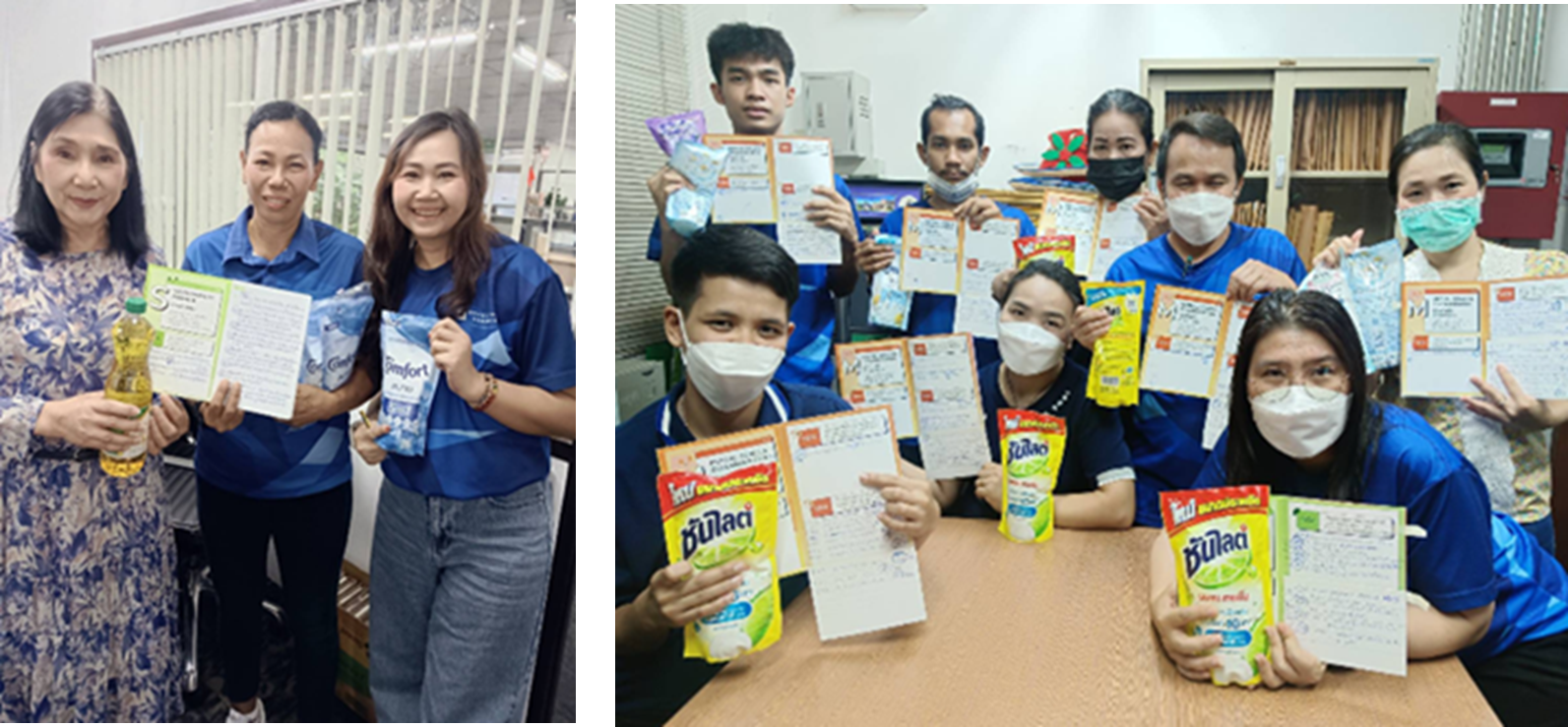
5. Cultivating Corporate Culture via "SMILE Passport"
Core Behavior Integration: The Company successfully drove the "SMILE Passport" initiative to translate corporate values into practice. The program focuses on instilling 16 Core Behaviors through various activities, effectively transforming abstract concepts into tangible actions for employees' daily work-life.
Customers — Plan & Guidelines
Has a Customer Management Plan
Yes
Plan Description
The company is committed to building trust and meeting customer expectations through product quality, superior service, and the fostering of long-term relationships. Our core strategic actions are as follows:
1. Responsible Production and Services
We operate with fairness and strictly adhere to the Consumer Protection Act, B.E. 2522 (1979) to safeguard our customers' best interests.
We prioritize the delivery of accurate and sincere information, ensuring no misleading advertisements or overstatements are made regarding the essential qualities of our products and services.
2. Communication of Product and Service Impacts
Given our project-based business model, we provide clear and detailed product labeling (e.g., carpet type, fiber material, installation area).
We provide specialized documentation, including installation manuals, safety precautions, and maintenance guidelines, along with separate warranty certificates, to ensure project managers can proceed correctly and safely.
3. Customer Satisfaction and Relationship Management
Team Development: We continuously enhance the expertise of our sales teams and distributors to provide professional and accurate consultations to customers.
Feedback Channels: We have established communication channels to listen to customer feedback and suggestions, which are used for continuous product improvement.
After-Sales Support: A dedicated unit handles complaints and coordinates with various departments, ensuring customers can seek advice or product information at any time.
4. Responsible Education and Communication
We have implemented a Responsible Marketing Communication Policy to standardize the practices of our employees and sales representatives while ensuring customers are fully aware of their rights.
We conduct direct training sessions for both employees and customers regarding product specifications, proper usage, and effective maintenance techniques.
5. Protection of Customer Privacy
We prioritize the confidentiality of our customers. All project and personal data are stored under strict data security policies to prevent unauthorized access and ensure full compliance with privacy standards.
Plan Areas
| Plan Area |
|---|
| Responsible production and services for customers |
| Communication of product and service impacts to customers/consumers |
| Development of customer satisfaction and customer relationship |
| Protection of customer personal information |
Customers — Satisfaction Results
Customer Satisfaction Results
| Metric | Current Year | Previous Year | Two Years Ago |
|---|---|---|---|
| Evaluation results of customer satisfaction | 1 | 1 | 1 |
Customers — Targets
Has Set Customer Targets
Yes
Targets
| Indicator | Target Areas | Base Year | Base Year — Description | Target Year | Target Year — Description |
|---|---|---|---|---|---|
| Customer Service Satisfaction (%) | 3009 · Description: Development of customer satisfaction and customer relationship | 2,025 | >90 % | 2,025 | 94.40 % |
| Number of incidents related to customer privacy violations | 3010 · Description: Consumer data privacy and protection | 2,025 | 0 | 2,025 | 0 |
Customers — Performance & Outcomes
Has Performance Results
Yes
Performance Description
Customer Management Performance and Results Report 2025
1. Global Recognition & Awards
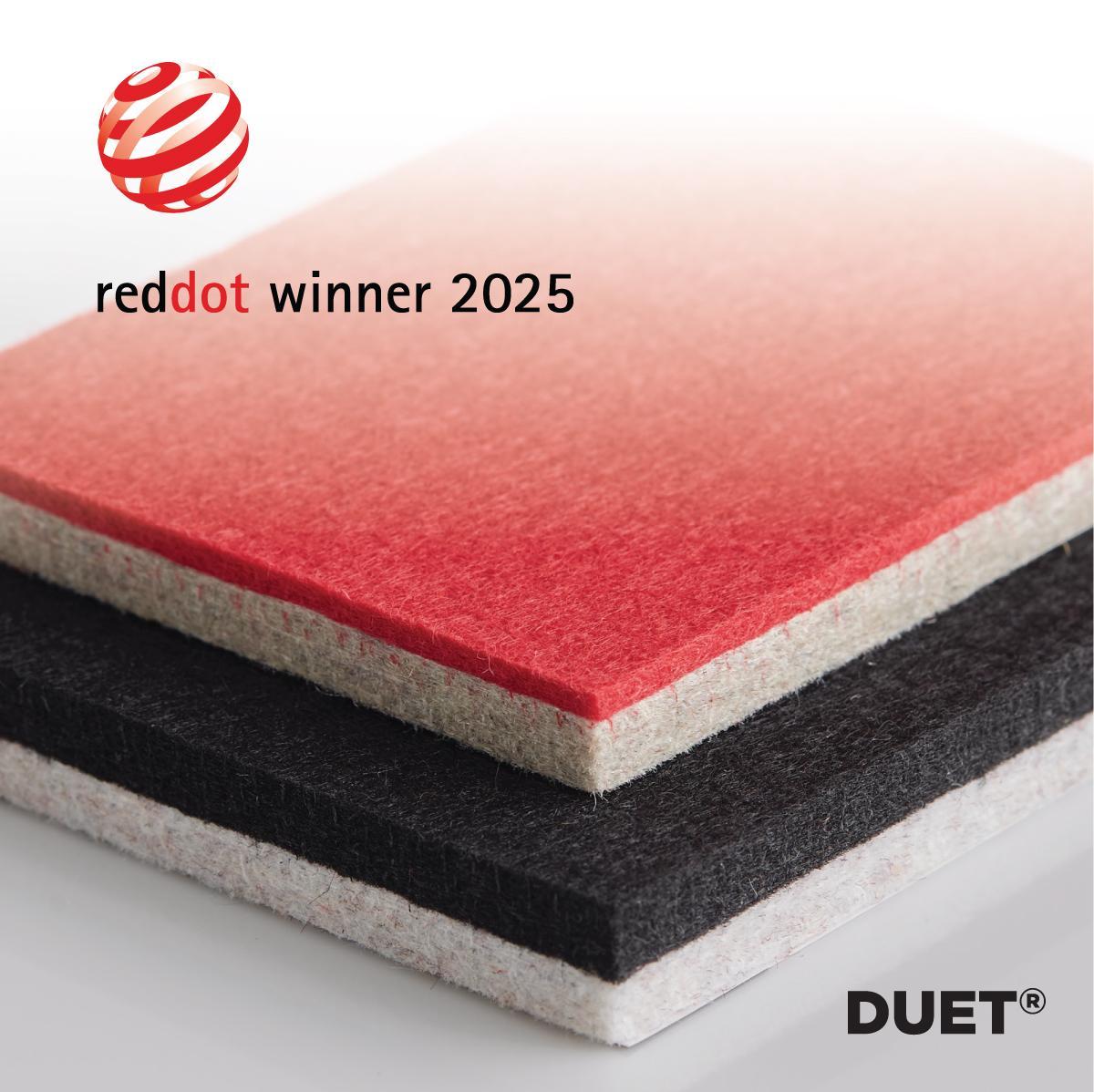
Red Dot Product Design Award 2025: Our sound-absorbing solution, DUET by RT Acoustic, was honored with this prestigious award. This recognition serves as a global seal of excellence in innovative design, reinforcing our position as a market leader that harmoniously blends aesthetic appeal with sustainable functionality.
2. Customer Experience & Innovation
Virtual Reality (VR) Experience: We have elevated the customer decision-making process through VR technology. This allows customers to visualize carpet patterns within their actual space via smartphone, reducing complexity and increasing selection accuracy.
Showroom Enhancement (Experience Centre): Our headquarters showroom has been transformed into a modern "Experience Centre." By integrating digital innovations, we provide customers with an immersive environment to explore and interact with our products firsthand.
BIM Object System: We support architects and designers through a 24-hour online Shared Model system. The inclusion of the 'RT Acoustic' product range into the BIM platform enhances digital specification efficiency for design professionals.
3. Engagement & Communication
Lunch & Learn Program: This initiative fosters relationships in a relaxed environment, serving as a platform for new product launches and a direct channel for gathering feedback from customers and partners.
Digital Transformation: Social media and digital platforms are utilized as primary channels for rapid consultation, complaint resolution, and product updates, aligning with modern consumer lifestyles.
Academic Collaboration: We have established a partnership with Thammasat University to transfer knowledge regarding textile innovation and "Upcycling" projects to the next generation of professionals.
4. Responsible Business & ESG (Environmental, Social, and Governance)
Sustainability & Net Zero: We actively communicate our roadmap toward Net Zero by 2050 through clean energy initiatives (Solar Energy) and resource-efficient manufacturing technologies, such as "Spray Dyed" techniques.
Zero Waste to Landfill: Committed to a circular economy, we provide a carpet take-back service, ensuring old carpets are repurposed or disposed of through environmentally friendly methods to prevent ecosystem waste accumulation.
Transparent Marketing: We strictly adhere to our 'Responsible Marketing Communication Policy,' ensuring all information is fair, transparent, and respectful of the customer's right to accurate information.
5. Performance Statistics & Data Privacy
Customer Satisfaction Score (CSAT): In 2025, we achieved a satisfaction rating of 94.40%, surpassing our target of 90%. This reflects our unwavering commitment to service excellence.
Data Privacy (PDPA): The company maintains rigorous security standards. In 2025, there were zero reported incidents or complaints regarding customer data breaches, demonstrating our highest level of commitment to protecting customer confidentiality.
Community & Social — Plan & Guidelines
Has a Community & Social Plan
Yes
Plan Description
Community and Social Management Plan
TCM Corporation operates under the guiding philosophy of "Growing Together, Sustaining Forever." We have successfully transitioned from traditional philanthropy to Creating Shared Value (CSV), ensuring that our social initiatives strengthen the business value chain while fostering long-term community resilience.
Community Development Framework
The company has established a purposeful direction for community development through 3 Strategic Pillars that link our Core Competencies with the United Nations Sustainable Development Goals (SDGs):
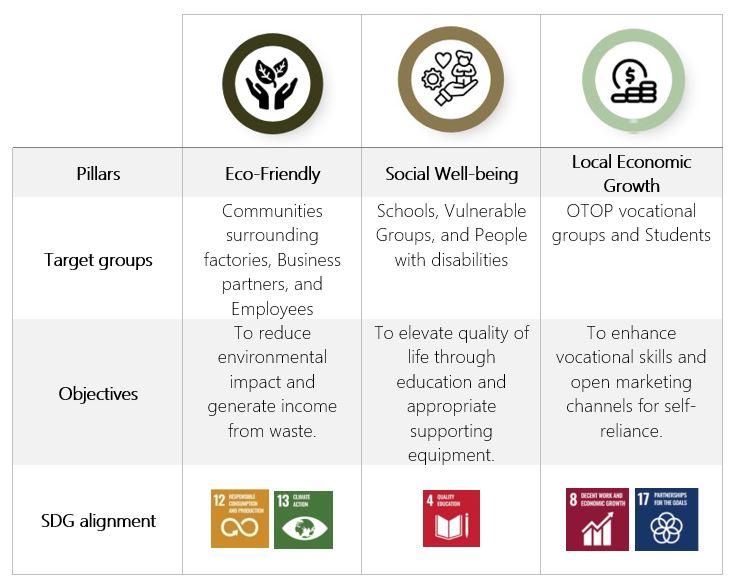
The details of the Community and Social Management Plan are as follows:
Employment and Career Skills Development: The company focuses on transferring knowledge in design and carpet weaving skills to the younger generation through the "TCM Campus" project and university collaborations. This aims to preserve high-level craftsmanship and develop a skilled workforce to meet future market demands.
Education: Emphasis is placed on creating an environment conducive to learning by donating carpets for use in key school areas. Additionally, the "3 S for Youth" project (Ethics, Career, Environment) was initiated to cultivate morality, vocational skills, and environmental awareness among students.
Religion and Culture: These are promoted through carpet donations to ethics rooms in educational institutions. Furthermore, local wisdom is supported by providing space for the sale of OTOP (One Tambon One Product) goods.
Forestry and Natural Resources: The company focuses on reducing the consumption of natural resources through integrated recycling processes. This includes community campaigns to reduce greenhouse gases and global warming.
Sports and Recreation: Support is provided for school activities aimed at developing children and youth to boost morale and create a positive atmosphere.
Occupational Health, Safety, Health, and Quality of Life: Carpet donations help reduce surface dust, minimize noise in libraries, and provide cushioning to reduce impact injuries for young children. Additionally, the program generates income for school lunch funds to promote better student nutrition.
Underprivileged and Vulnerable Groups: The "Page 3 Paper" activity collects used paper to produce Braille books for the visually impaired. Moreover, clean recyclable waste is delivered to persons with disabilities for recycling, providing them with a source of income.
Water Management and Sanitation: The company emphasizes proper waste management according to academic principles in cooperation with the municipality. This reduces pollution and ensures a clean, livable environment around the factory.
Reducing Social Inequality: The company fosters an understanding of human rights, equality, and respect for diversity to reduce conflict and bullying in schools
Plan Areas
| Plan Area |
|---|
| Employment and professional skill development |
| Education |
| Religion and culture |
| Forests and natural resources |
| Sports and recreation |
| Occupational health, safety, health, and quality of life |
| Disadvantaged and vulnerable groups |
| Water and sanitation management |
| Reducing inequality and promoting social equality |
Community & Social — Targets
Has Set Community & Social Targets
No
Community & Social — Performance & Outcomes
Has Performance Results
Yes
Performance Description
Community Relations and Social Responsibility Performance 2025
The Company is committed to conducting business under the "Growing Together, Sustaining Forever" concept. We have transitioned from traditional philanthropy to Creating Shared Value (CSV) to ensure that every activity generates a positive social impact while simultaneously strengthening the sustainability of our business value chain.
1. Environmental Pillar: Waste Management and Circular Economy (Eco-Friendly)
The Company focuses on transforming waste into valuable resources by establishing management systems involving both employees and the community. This approach aims to reduce environmental impact and provide multifaceted social benefits.
1.1 Environmental Stewardship Project: "Turning Waste into Opportunity."
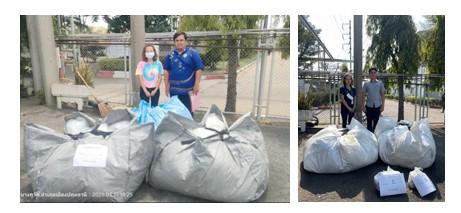
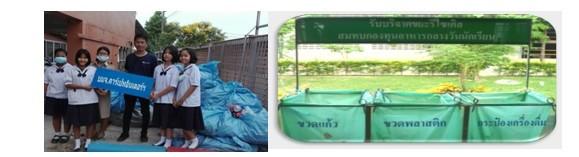
In collaboration with Bang Khu Wat Municipality, local communities, schools, business establishments, and the general public, the company promotes education on waste segregation for social benefit. The project specifically focuses on collecting recyclable waste such as UHT milk cartons, aluminum, and clean stretchable plastics to be delivered to individuals with disabilities for recycling processes. This initiative effectively reduces local waste and benefits the environment.
Objectives:
To reduce the volume of waste in the community and surrounding areas.
To raise awareness regarding recycling and efficient resource utilization.
To foster cooperation between the organization, the community, and the municipality in environmental conservation.
Performance in 2025
The company collected and delivered a total of 332.20 kg of recyclable waste to Bang Khu Wat Municipality, categorized as follows: UHT Milk Cartons: 8.8 kgs., Aluminum: 2.4 kgs., Clean Stretchable Plastics: 321 kgs.
Results and Benefits:
Supporting the Disabled: Collected materials were delivered to individuals with disabilities to generate income.
Resource Efficiency: Supported recycling processes to create new materials and reduce the consumption of natural resources.
Waste Reduction: Decreased the amount of waste subject to improper disposal.
Relationship Building: Strengthened the relationship between the organization, the community, and the municipality.
Environmental Awareness: Instilled a conscience for environmental conservation among employees and local citizens.
The company is committed to continuing this project to drive sustainable change in environmental protection and community development.
Operational Result | Unit | 2023 | 2024 | 2025 |
Clean Stretchable Plastics | kg | 158 | 236 | 321 |
Aluminum | kg | 4.6 | 2.6 | 2.4 |
UHT Cartons | kg | 5.6 | 5.3 | 8.8 |
Total | kg | 168.20 | 243.90 | 332.20 |
1.2 Waste Bank Project: Transforming Waste into Scholarships and Meals for Youth
The company is dedicated to cultivating environmental conservation awareness while creating tangible social benefits through the "Waste Bank" project. Initiated in 2008, the project's primary objective is to support sustainable waste management and create added value from recyclable materials, returning benefits to the community in the form of school lunch funds.
This initiative focuses on behavioral change among employees and students, raising awareness about the importance of daily waste segregation and maximizing resource efficiency. In 2025, the company completed 7 delivery cycles of recyclable materials, including glass bottles, plastic bottles, and beverage cans, totaling 2,092 kilograms. All proceeds from the sale of these recyclables were contributed to lunch funds for employees and students at participating schools. This not only reduces financial burdens and promotes youth well-being but also serves as a vital mechanism for balancing social development with environmental stewardship, reflecting the company's long-term commitment to social responsibility.
Operating Result | 2023 | 2024 | 2025 |
Number of Deliveries (Times) | 3 | 2 | 7 |
Recyclable Waste Weight (kgs) | No data recorded | 1,720 | 2,092 |
Total Revenue (THB) | - | 4,540 | 3,838 |
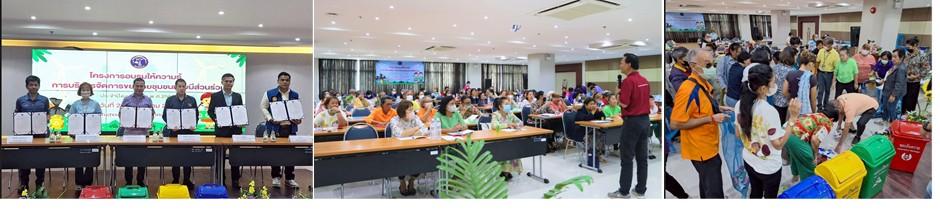
The company expanded its impact by participating in the Community Waste Bank activity on May 29, 2025. This initiative focuses on continuous, participatory community waste management for the year 2025. The primary goal is to stimulate engagement across the public, private, and civil sectors in managing solid waste according to proper technical standards. The project promotes waste bank membership and the sale of recyclable materials, with all proceeds being collected into a lunch fund for children. Furthermore, this initiative scales up into community-wide campaigns aimed at reducing greenhouse gas emissions and addressing global warming
1.3 The "3rd Page Paper" Project: Educational Opportunities for the Visually Impaired
The company prioritizes maximizing resource efficiency through the "3rd Page Paper" initiative, which has been operating continuously for over 15 years. We encourage employees to collect paper used on both sides that remains in good condition for donation to the "Thailand Association of the Blind under the Royal Patronage of H.M. the King". This paper is repurposed to produce Braille notebooks, an essential educational tool for the visually impaired.
In 2025, the company collected a total of 48 kilograms of paper, an increase from previous years. This reflects the consistent participation of our employees in reducing corporate waste while creating equitable educational opportunities and promoting environmental sustainability.
Operating Result | 2023 | 2024 | 2025 |
Weight of "3rd Page Paper" (kg) | 32 | 32 | 48 |
Value-Added Benefits and Economic Returns
Through these three core activities—Community Waste Management, the Waste Bank Project, and the 3rd Page Paper initiative—the company has elevated its approach from "disposal" to "redistribution":
Increased Recycling Volume: In 2025, the company collected over 2,472.20 kg of recyclable waste, up from 1,995.9 kg in 2024. This helps reduce waste disposal expenses for both the municipality and the company.
Efficiency Gains: Compared to 2024, the volume of recyclable waste increased by 23.8%. This growth reflects the effectiveness of waste segregation at the source and strong participation from personnel at all levels.
Cost Reduction: General waste disposal costs were reduced by approximately 10–15%. This initiative lessens the waste management burden for the Bang Khu Wat Municipality and lowers internal corporate management costs.
Risk Mitigation: Collaborative efforts across sectors reduce the risk of pollution-related complaints and promote a clean, livable environment around the factory.
Direct Social Impact: 3,838 Baht in revenue from the Waste Bank was converted into student meals, and 332.20 kg of clean waste was delivered as raw materials to generate income for individuals with disabilities
2. Promoting Education and Enhancing Quality of Life
The Company is committed to being a part of building a strong foundation for youth. By leveraging our corporate resources and expertise, we aim to elevate learning environments and instill positive values to create quality citizens for society.
2.1 Carpet Donation Project: Creating Learning Spaces
The company aims to create environments conducive to skill development for youth by leveraging our core strength in carpets and flooring products to benefit the educational sector, both in Bangkok and other provinces. These donations support the use of essential areas such as libraries, ethics rooms, Sufficiency Economy learning centers, and various school laboratories.
Performance in 2025: Donated carpets to 8 educational institutions, covering a total area of 4,061.54 square meters, with a total value of 2,037,469 THB. Supported 14 schools with carpets for youth development activities, valued at 12,600 THB, to boost morale and enhance the atmosphere of student activities.
Operating Result | 2023 | 2024 | 2025 |
Number of Educational Institutions (Schools) | 13 | 5 | 8 |
Total Carpet Donated (sq.m.) | 6,570.59 | 5,162.61 | 4,061.54 |
Total Value (THB) | 2,486,793.51 | 2,701,078.79 | 2,037,469 |
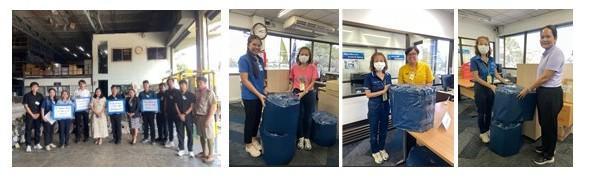
Value-Added Benefits and Economic Returns
The operations in 2025 served not only as a support for educational resources but also as a strategic management of company assets to maximize utility through the process of creating shared value:
Positive Impact on Youth and Educational Institutions: The donation of over 4,000 square meters of carpet was installed in key areas, such as libraries and Sufficiency Economy Learning Centers. This helps reduce noise, enhancing student concentration and learning efficiency. It also minimizes dust dispersion compared to hard surfaces and provides a soft touch that reduces injuries from impacts in activity areas for young children.
Operational Efficiency: Utilizing products for social benefit helps reduce inventory storage costs. It also mitigates the risk of product deterioration within the warehouse.
Financial and Brand Management: Conducting donations through proper regulatory channels enables the company to receive tax deduction benefits as prescribed by law. This represents effective cash flow management coupled with the promotion of a positive corporate image.
2.2 The "3 S" for Youth Project: Building Intellectual Capital
On November 21, 2025, the Company initiated the "3 S" integrated learning activity at Wat Bang Khu Wat School. This program aims to nurture youth by preparing them with ethics, vocational skills, and global responsibility. The three core components of "3 S" are:
S - Human Rights: Building an understanding of equality and respect for diversity, which serves as a fundamental foundation for reducing conflict and bullying in schools.
S - Career Paths: Expanding horizons and providing guidance on various career paths to help youth discover their potential and lay the foundation for a skilled workforce in the future market.
S - Environmental Awareness: Transforming knowledge about global warming into practical action, such as waste separation and resource conservation, to raise a new generation that grows up with environmental responsibility.
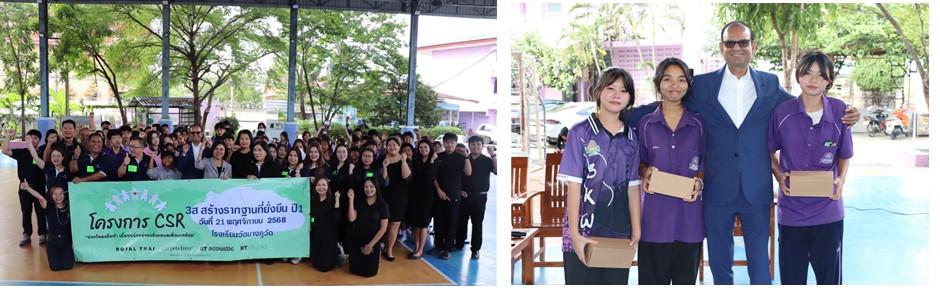
Value-Added Benefits and Economic Returns
Community Relations: The Company has built strong relationships with educational institutions and parents in the areas surrounding the factory (Bang Khu Wat), providing a crucial foundation for sustainable coexistence.
Long-term Risk Mitigation: Developing environmental and human rights consciousness in youth helps reduce future conflicts and environmental issues within the company's operating community, serving as long-term business risk mitigation.
Quality Citizenship: Follow-up assessments showed that over 85% of students gained a better understanding of fundamental rights and waste separation. This is considered "creating quality citizens" for the future labor base in the Bang Khu Wat area.
Operational Efficiency: This initiative prepares a skilled local workforce, which helps reduce personnel recruitment costs in the long run.
3. Job Creation and Knowledge Sharing
The Company focuses on leveraging its potential as a regional leader in the carpet industry to transform knowledge into opportunity. We utilize our corporate space as a driving force for the community economy through the following initiatives:
3.1 Knowledge Transfer and Nurturing the Next Generation
The Company serves as a "Living Learning Institute" to cultivate new designers and artisans by bridging academic knowledge with real-world industrial practice.
Academic Collaboration Projects:
Collaboration with the Faculty of Fine and Applied Arts, Thammasat University: The Company organized a Hand-Tufted Carpet Weaving Workshop, providing students with the opportunity to learn carpet-weaving fundamentals and practice essential skills for their future creative careers. Furthermore, the Company supports education and inspires a new generation of designers by blending traditional wisdom with modern innovation to promote the development of Thailand’s carpet design industry
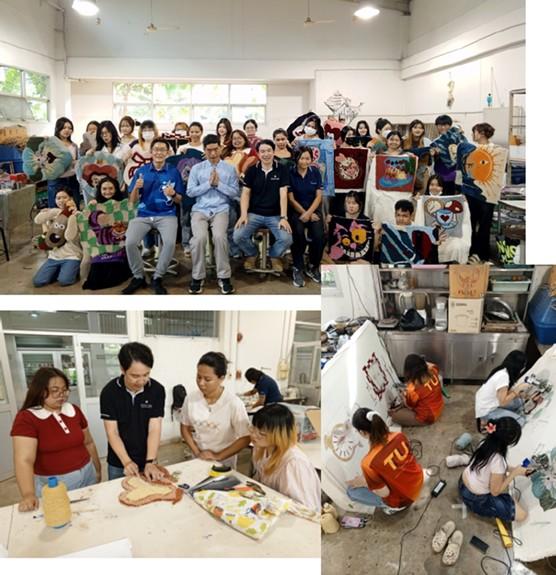
Collaboration with Srinakharinwirot University: The Company shared in-depth knowledge regarding carpets and acoustic materials with students. The session covered topics ranging from carpet properties and manufacturing processes to guidelines for selecting the appropriate carpet types for various functional areas. The atmosphere was friendly, encouraging an engaging exchange of questions and ideas
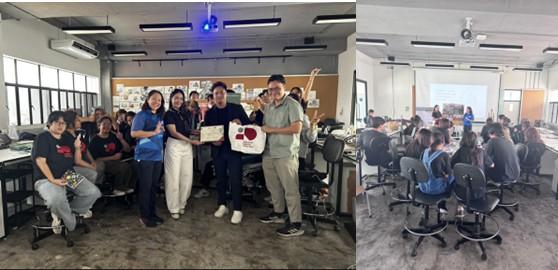
TCM Campus: Student Open House Project
As the largest carpet manufacturing base in Asia, the Company is proud to showcase our potential through every stage of the production process. We provide opportunities for educational institutions to visit our facilities to exchange knowledge and study the technology, innovation, and management techniques utilized in our manufacturing processes. In 2025, a total of five educational institutions participated in this program.
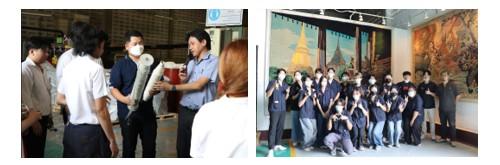
Value-Added Benefits and Economic Returns
Strengthening Employer Branding: By positioning the company as an industry leader at a national level, we attract new generations of designers to the business. This strategically reduces the risk of specialized artisan shortages in the future.
Knowledge Exchange and Preservation: Sharing in-depth expertise with students allows the company to gain "Fresh Ideas" from the younger generation. Simultaneously, it ensures that high-level carpet weaving skills are preserved and passed on, preventing the loss of specialized craftsmanship.
Build brand and product awareness: Cultivating brand engagement among youth and students—the future designers and potential customers—to foster long-term brand loyalty and business growth.
3.2 Job Creation and Income Generation Project
The company focuses on creating tangible income for local residents and the elderly by providing marketplace opportunities within the company premises.
Supporting OTOP and Community Products: The company hosts monthly sales events for OTOP (One Tambon One Product) from Pathum Thani and surrounding areas. This initiative promotes local wisdom, creates career opportunities, and provides additional income channels for families and communities. This also includes retired employees, who are welcomed back to sell their products. From January to November 2025, total sales reached 556,012 THB.
Operating Result | 2023 | 2024 | 2025 |
Local Income Support (THB) | 575,780 | 595,645 | 556,012 |

Value-Added Benefits and Economic Returns
Economic Resilience: Injecting over 550,000 THB directly into households strengthens the local economy and reduces labor migration. This ensures a stable local labor base for the company.
Other Social Management
Plan & Outcomes — Description
Stakeholder Engagement and Prioritization
The company prioritizes stakeholders based on two key dimensions: "Level of Impact on the Company" and "Alignment of Interests/Needs," categorized as follows:
Priority | Stakeholder Group | Key Issues & Expectations | Response & Outcomes |
High | Local Communities / Municipalities | Environmental management and local employment | Public Consultation (June 24, 2025), Waste Management Project |
High | Employees | Job security and social welfare | OTOP marketplace area, "3 S" Activities (Big Cleaning Day/Safety) |
Medium | Educational Institutions | Specialized knowledge and technical skills | Specialized Workshops, TCM Campus Program |
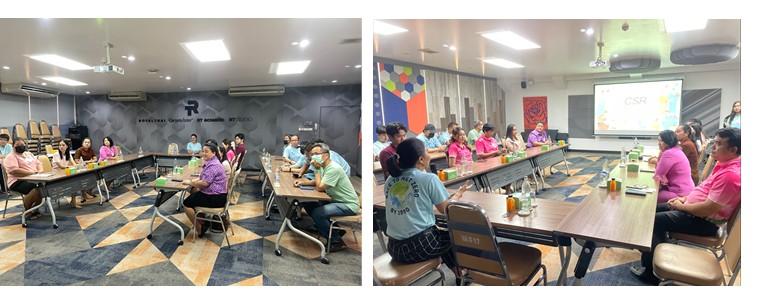
Monitoring and Reporting
The Company maintains a system to monitor performance against our targets. In 2025, all projects successfully achieved their goals. Feedback from stakeholder dialogues has been integrated into our plans to effectively address real community needs. The results of our engagement and the economic value created are disclosed in the Annual Report (56-1 One Report) to ensure transparency for shareholders and the public.
Law Violation Incidents
Law Violation Incidents
| Metric | Current Year | Previous Year | Two Years Ago |
|---|---|---|---|
| The total number of cases or incidents of significant violations of laws or regulations regarding social and human rights (Cases) | 0 | 0 | 0 |
| The total number of cases or incidents that cause significant labor disputes (Cases) | 0 | 0 | 0 |
| The total number of cases or complaints related to consumer rights violations (Cases) | 0 | 0 | 0 |
| The total number of cases or complaints related to partner rights violations (Cases) | 0 | 0 | 0 |
| The total number of cases or incidents that cause disputes with the community/society (Cases) | 0 | 0 | 0 |
| The total number of cases or incidents related to cyber security or customer data breaches (Cases) | 0 | 0 | 0 |
| The total number of cases or incidents related to safety and occupational health at work (Cases) | 0 | 0 | 0 |